Houston Food Fanatics story
Cannoli Dessert Recipe
Discover the secrets to making authentic Italian cannoli at home. Our step-by-step guide to “Cannoli: Decadent Dessert Recipe You’ll Love” shares the history and techniques for this beloved pastry.
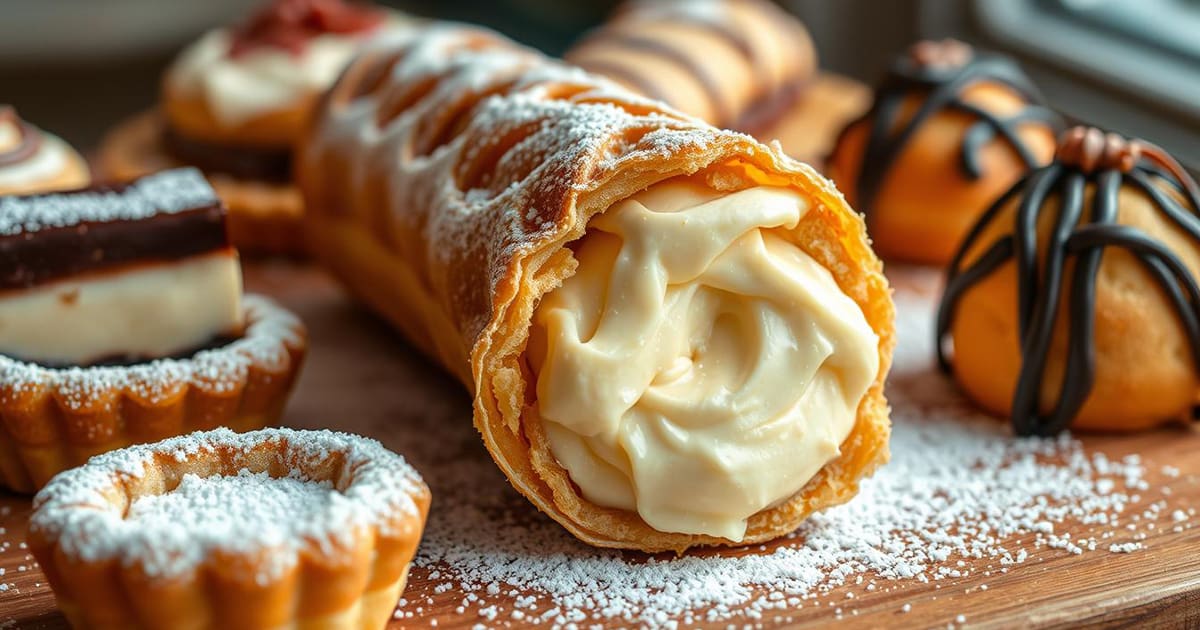
Imagine a dessert so loved that Italy makes over 200 million of its shells each year. Italian pastry dessert has won many hearts, and we’re excited to share its story.
Cannoli, a classic Sicilian treat, has crispy, fried shells filled with sweet ricotta cheese and chocolate chips. This decadent dessert recipe is a key part of Italian cuisine. We’re here to help you make it at home.

We’ll explore the history of cannoli, the ingredients you’ll need, and how to make the perfect shells and filling. Get ready to enjoy this Italian classic!
Introduction to Cannoli: A Classic Italian Treat
Cannoli are a beloved dessert with deep roots in Italian culture. They have a rich history that spans centuries. Their popularity has grown over time, captivating food lovers worldwide.

Origins of Cannoli in Italian Culture
Cannoli come from Sicily, Italy. They were first enjoyed during carnival seasons. The name “Cannoli” means “little tubes,” referring to the pastry shell.
These pastries became a favorite in Italian bakeries and homes. They symbolize Italy’s love for sweet, fried dough and creamy fillings.
The history of Cannoli is tied to Sicilian culture. They were served at special events and celebrations. They are more than just a dessert; they connect us to heritage and tradition.
The Different Types of Cannoli
Traditional Cannoli are filled with sweetened ricotta cheese. But today, you can find many other fillings and flavors. Some favorites include:
- Cannoli filled with chocolate chips for an added layer of flavor
- Variations with candied fruit, providing a sweet and tangy contrast
- Pistachio-infused Cannoli, with a unique nutty flavor
- Seasonal fruit Cannoli, featuring fresh fruits by season
These different types of Cannoli show how versatile this classic Italian dessert is. You can enjoy them in many ways. Whether you prefer the traditional recipe or try new flavors, Cannoli are a favorite treat for many.
Ingredients Needed for Authentic Cannoli
To make authentic cannoli, you need specific ingredients. These are key for the perfect mix of crunch and creaminess. Making homemade cannoli is an art that starts with picking the right ingredients for the shell and filling.
Essential Shell Ingredients
The shell of a cannoli is its standout feature. It’s crispy and contrasts the soft filling. To make the shells, you’ll need:
- All-purpose flour
- Lard or butter
- Marsala wine
- Eggs
- Granulated sugar
- Vin Santo or other fortified wine (optional)
Using high-quality ingredients like fresh lard and real marsala wine makes a big difference. It affects the flavor and texture of your cannoli shells.
Key Filling Components
The filling is where cannoli truly shine. It’s creamy and sweet, contrasting the crunchy shell. For an authentic cannoli filling, you’ll need:
| Ingredient | Quantity | Purpose |
|---|---|---|
| Ricotta cheese | 1 lb | Provides creaminess |
| Powdered sugar | 1 cup | Adds sweetness |
| Chocolate chips | 1/2 cup | Adds flavor and texture |
| Candied fruit | 1/4 cup, chopped | Provides a fruity contrast |
Using fresh, high-quality ricotta is key for the best flavor. You can also add different flavorings like vanilla or citrus zest to your filling.
Optional Garnishes and Toppings
While traditional cannoli are delicious on their own, adding garnishes can make them even better. Consider:
- Powdered sugar for dusting
- Chopped pistachios or other nuts for added crunch
- Chocolate shavings or cocoa powder for a chocolatey touch

By choosing the right ingredients and focusing on the details, you can make delicious homemade cannoli. They’re perfect for special occasions or just as a treat. The effort you put into selecting and preparing your ingredients will be worth it in the end.
How to Make Cannoli Shells from Scratch
Making cannoli shells from scratch is a rewarding process. It requires skill, but with the right guidance, you can achieve perfectly crispy shells. For many dessert lovers, homemade cannoli is the ultimate gourmet dessert experience.
Preparing the Dough
To start, you’ll need to prepare the dough for your cannoli shells. The dough is made from flour, lard or butter, and marsala wine. We recommend using high-quality ingredients to ensure the best flavor.
The ingredients are combined and kneaded until a smooth dough forms. It’s essential to let the dough rest for at least an hour. This allows the gluten to relax, making it easier to roll out.
Rolling and Cutting the Shells
Once your dough is rested, it’s time to roll it out to a thin sheet. You can use a pasta machine or a rolling pin to achieve the desired thickness.
The dough is then cut into circles using a cookie cutter or the rim of a glass. The size of the circles will determine the size of your cannoli shells.
Frying Techniques for Perfect Shells
To fry the shells, heat a deep frying pan with about 2-3 inches of vegetable oil to 375°F. Carefully place the dough circles into the hot oil, frying until they are golden and crispy.
It’s important not to overcrowd the pan. Fry the shells in batches if necessary. Once fried, place the shells on paper towels to drain excess oil.
| Frying Temperature | Frying Time | Result |
|---|---|---|
| 375°F | 2-3 minutes | Golden and crispy |
| 350°F | 3-4 minutes | Pale and soft |
By following these steps and tips, you’ll be able to create delicious homemade cannoli shells. These shells are perfect for filling with your favorite sweet ricotta filling. This will elevate your gourmet desserts to the next level.
Crafting the Perfect Cannoli Filling
The heart of any cannoli is its filling. It’s a sweet treat that’s both creamy and rich. The traditional filling is made with sweetened ricotta cheese, chocolate chips, and candied fruit. This mix creates a delicious cannoli that’s hard to resist.

Traditional Ricotta Filling Recipe
To make a classic cannoli filling, start with high-quality ricotta cheese. You’ll also need confectioner’s sugar, vanilla extract, chocolate chips, and candied fruit. First, drain the ricotta to remove excess moisture.
Then, mix it with confectioner’s sugar and vanilla extract until smooth. Add chocolate chips and candied fruit. This creates a sweet and chunky filling.
Key Ingredients:
- Ricotta cheese
- Confectioner’s sugar
- Vanilla extract
- Chocolate chips
- Candied fruit
Variations on the Classic Filling
You can also try different variations to create unique flavors. Add a hint of orange zest or use mascarpone cheese for a creamier filling. Infusing the filling with different extracts, like almond or pistachio, can also give it a unique twist.
Some ideas for variations include:
- Adding a drizzle of honey or maple syrup for extra sweetness
- Using different types of chocolate chips or chunks
- Incorporating chopped nuts or dried fruit for added texture
Tips for Achieving the Right Consistency
Getting the right consistency is key for cannoli filling. It should be smooth and creamy but not too runny or thick. To achieve this, drain the ricotta cheese well and adjust the sugar to your taste.
Refrigerating the filling for a few hours can also help it firm up before filling the shells. By following these tips and trying different variations, you can make a delicious cannoli filling that will impress everyone.
Assembling Your Cannoli
Assembling cannoli is an art that needs patience and creativity. You’ve made your shells and ricotta filling. Now, it’s time to put them together for a gourmet dessert that will wow any dessert lover.
Filling the Shells Properly
Filling cannoli shells can be tricky, but with the right method, you’ll get a beautifully filled dessert. First, make sure your ricotta filling is smooth and creamy. Use a piping bag to fill the shells for a clean and efficient process.
Pipe the filling into both ends of the shell, moving towards the center until it’s full.
Techniques for Beautiful Presentation
Presentation is key for serving cannoli, even more so for special occasions. To make your cannoli look great, dust them with powdered sugar or add chocolate chips or candied fruit. You can also dip the ends in melted chocolate for elegance.
Arrange your cannoli on a platter in a decorative pattern. This makes an easy dessert recipe that will impress everyone.
Common Mistakes to Avoid
When making cannoli, watch out for common mistakes. Don’t overfill the shells, as this can cause them to break. Make sure your filling is just right – not too runny or too thick.
Also, handle the shells gently to avoid chipping or cracking. By avoiding these mistakes, you’ll make beautiful, delicious cannoli that any dessert lover will love.
Creative Flavor Variations to Try
Want to level up your cannoli game? Try out some creative flavor variations. Cannoli, a classic Italian pastry dessert, is perfect for experimenting with new tastes.

Chocolate-Dipped Cannoli
Chocolate lovers will adore chocolate-dipped cannoli. The crispy shell meets rich chocolate, making it a decadent dessert recipe. It’s a great sweet treat for any time.
Pistachio-Infused Cannoli
Adding pistachio to your cannoli filling brings a unique twist. The nutty flavor of pistachio pairs well with sweet ricotta, creating a delightful taste.
Seasonal Fruit Cannoli
Using seasonal fruits in your cannoli filling is another great idea. From strawberries in spring to citrus in winter, it makes your cannoli versatile for any season.
| Flavor Variation | Description | Best For |
|---|---|---|
| Chocolate-Dipped | Cannoli shells dipped in rich chocolate | Chocolate lovers |
| Pistachio-Infused | Ricotta filling with a hint of pistachio | Those seeking a unique twist |
| Seasonal Fruit | Filling made with fresh, seasonal fruits | Any season, using available fruits |
These creative flavors take the traditional cannoli to new heights. Whether you love chocolate, nuts, or fruits, there’s a cannoli for you. It’s a fresh and exciting way to enjoy this beloved Italian pastry dessert.
Storing Cannoli for Freshness
To keep your homemade cannoli fresh, proper storage is key. Whether for a special event or a sweet treat, keeping them fresh is important. This way, you can enjoy them at their best.
How to Store Filled Cannoli
Filled cannoli need to be stored in an airtight container. Place them in a single layer to prevent shells from getting soggy. If stacking, use parchment paper between layers. Refrigeration is best to keep the filling fresh.
Best Practices for Storing Components Separately
For the best freshness, store shells and filling separately. Keep shells in an airtight container at room temperature, away from sunlight. The filling, made with ricotta or other dairy, should be refrigerated. This way, you can enjoy your cannoli longer without losing quality.
Shelf Life of Cannoli
The shelf life of cannoli depends on storage. Filled cannoli last up to 2 days in the fridge. Shells can stay fresh for days to a week, and filling for a few days, depending on ingredients and storage. Always check for freshness before serving.
By following these storage tips, you can enjoy your homemade cannoli for longer. They’ll remain a delightful treat for you and your loved ones.
Serving Recommendations for Cannoli
Cannoli is a treat that can be enjoyed on its own or with drinks. The way you serve it can make it even more special. It’s a classic Italian dessert that’s loved by many.
Ideal Pairings with Beverages
There are many drinks that go well with cannoli. Coffee is a classic choice, as it’s a favorite in Italy. For a fancier option, try a dessert wine like Moscato or Vin Santo.
The sweetness of the filling and the wine’s tartness make for a great taste. It’s a perfect way to enjoy cannoli.
Presentation Ideas for Special Occasions
Being creative with how you present cannoli can make it even more special. For a big event, arrange them on a fancy platter or tiered server. Add some fresh fruit like strawberries or raspberries for color and freshness.
Drizzling chocolate or caramel sauce on them before serving adds flavor and looks good too. It’s a simple touch that makes a big difference.

For a fancy look, place each cannoli on a plate. Sprinkle powdered sugar or chopped pistachios on top. As gourmet desserts like cannoli grow in popularity, how you present them matters a lot. With a little care, you can make a simple dessert into a memorable treat for your guests.
Cannoli in Popular Culture and Media
Cannoli have left a mark on movies and TV shows. They are more than a dessert; they’re a cultural symbol. Let’s see how they’ve been featured and what they mean.
Cannoli in Movies and Television
Cannoli have shown up in films and TV, representing Italian-American culture. In “The Godfather,” they’re Don Vito Corleone’s favorite snack. This shows their importance in Italian-American culture and their place in pop culture.
They’ve also been in “The Sopranos” and “Sex and the City.” In these shows, cannoli highlight Italian heritage. These mentions have made the dessert well-known and loved.
Cannoli as a Culinary Symbol
Cannoli are more than a dessert; they connect us to Italian culture. Making them is a labor of love, showing the care in Italian cooking.
In Italian-American communities, cannoli are a big deal at gatherings. They’re a sweet treat at holidays and family events. This makes them a symbol of community and tradition.
| Media Appearance | Cultural Significance | Symbolic Meaning |
|---|---|---|
| The Godfather (Movie) | Italian-American culture representation | Favorite dessert of main character |
| The Sopranos (TV Series) | Plot device and cultural reference | Connection to Italian heritage |
| Sex and the City (TV Series) | Cultural and culinary experience | Symbol of indulgence and pleasure |
In conclusion, cannoli are a big part of pop culture. They’ve appeared in many media and stand for Italian heritage and community. Their fame in movies and TV shows has made them a beloved dessert.
Tips for Hosting a Cannoli-Making Party
Hosting a cannoli-making party is a fun way to entertain guests. It’s a tasty and interactive dessert experience. Your friends and family will love the delicious homemade cannoli.
Planning the Event
First, pick a date, time, and guest list. Make a list of ingredients and supplies, like cannoli shells and ricotta filling. Send out invitations that look like Italian dessert menus to get everyone excited.
Setting Up Your Cooking Station
Setting up a good cooking station is key. You’ll need tables or countertops for ingredients and supplies. Make sure you have enough piping bags and tips for everyone to fill their shells easily. Here’s a simple table to help you organize your cooking station:
| Station | Supplies Needed |
|---|---|
| Shell Filling | Piping bags, tips, ricotta filling |
| Toppings | Chocolate chips, pistachios, candied fruit |
| Assembly | Cannoli shells, filled shells for display |
Engaging Activities for Guests
To keep guests entertained, add fun activities. You could have a contest for the most creative cannoli. Or, offer a variety of gourmet desserts for tasting. Playing Italian music can also set the mood.
With these tips, you’ll host a memorable cannoli-making party. A little planning and creativity can make it a fun and delicious experience. It’s a great way to enjoy making easy dessert recipes like homemade cannoli.
Conclusion: Why You’ll Love Making Cannoli at Home
Making cannoli at home lets you enjoy the fun of Italian baking. You get to make a rich dessert that will wow everyone. You’ll learn to make crispy shells and a creamy filling, perfect for any celebration.
Baking with Passion
Italian baking is more than just a recipe. It’s about sharing love and tradition with every bite. By making cannoli at home, you keep a tradition alive. You can also try new flavors and ingredients, making each cannoli special.
Exploring New Flavors
With your new skills, you can try different variations. You might dip them in chocolate or fill them with seasonal fruits. This freedom lets you create a unique Italian pastry that you’ll love.

Houston Dessert Dealer
A fun Houston dessert design for the person everyone trusts to know where the good sweets are. Whether the craving is cake, cookies, ice cream, pastries, or something over-the-top, this playful design celebrates the dedicated dessert hunter who always has a recommendation ready.
Shop this design ↗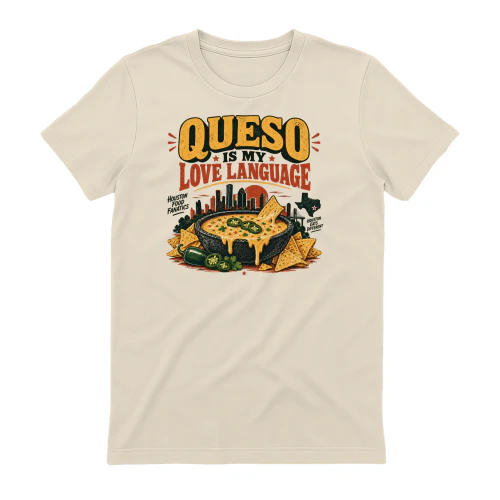
Queso Is My Love Language
A cheerful Houston Tex-Mex design for anyone who communicates best through a hot bowl of queso. Melting cheese, tortilla chips, peppers, and the Houston skyline frame the playful phrase, making it an easy favorite for queso lovers, restaurant regulars, and dedicated chips-and-dip people.
Shop this design ↗