Houston Food Fanatics story
Crabmeat Day Recipes Highlighting Sweet Coastal Flavor
Savor the flavors of National Crabmeat Day with our guide to selecting, preparing, and cooking fresh crabmeat.
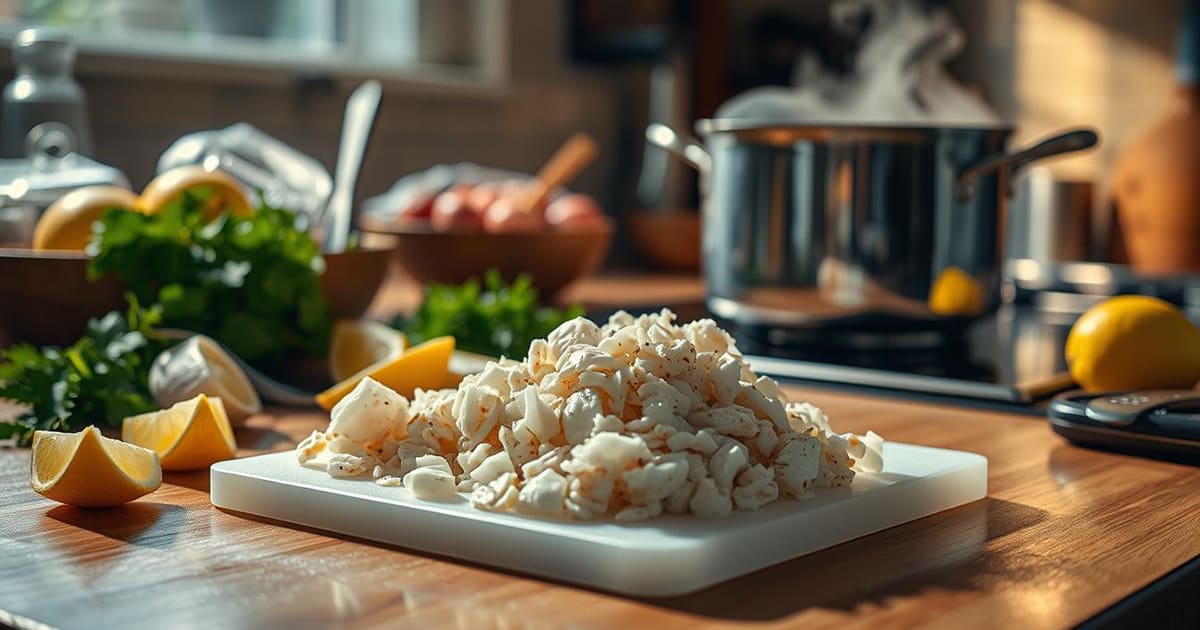
Did you know crabmeat is a top seafood choice in the U.S.? Millions of pounds are enjoyed every year. On March 9th, we celebrate National Crabmeat Day. It’s a day to enjoy the fresh, delicious taste of crabmeat.
We’re excited to explore crabmeat’s rich flavors and versatility. Whether you love seafood or want to try something new, this seafood celebration is for you. It’s a great chance to get creative in the kitchen.
In this article, we’ll explore the history of this special day. We’ll also look at the nutritional benefits of crabmeat and share some tasty recipes. So, let’s dive into the world of crabmeat and discover why it’s a Crab festival favorite!
Understanding National Crabmeat Day
National Crabmeat Day is a special day to enjoy our favorite crustacean. It’s a time to appreciate the delicious dishes made with crabmeat.
What Is National Crabmeat Day?
National Crabmeat Day celebrates crabmeat, a favorite in many cuisines. It’s a day to enjoy crabmeat in dishes like Maryland crab cakes and Asian chili crab. Seafood fans gather to try their favorite crabmeat dishes.
The History Behind This Celebration
The start of National Crabmeat Day is not clear. But it likely honors crabmeat and the tasty dishes it makes. This day celebrates the joy crabmeat brings to our meals.
By celebrating National Crabmeat Day, we honor a food that brings us together. It’s a chance for food lovers, cooks, and crabmeat fans to share and try new recipes.
Nutritional Benefits of Crabmeat
Crabmeat is a nutritional powerhouse that deserves a spot in your diet. It’s not only delicious but also packed with high-quality protein, omega-3 fatty acids, and essential vitamins and minerals.
High Protein Content
Crabmeat is an excellent source of protein. It’s great for those looking to boost their protein intake. Protein is key for building and repairing muscles, organs, and tissues in the body. Enjoying crabmeat means you’re supporting your overall health with a delicious meal.
Rich in Omega-3 Fatty Acids
Crabmeat is also rich in omega-3 fatty acids. These are vital for heart health. Omega-3s reduce inflammation, improve blood lipid profiles, and prevent blood clots. This all helps lower the risk of heart disease. Adding crabmeat to your diet can be a tasty way to support your heart health.
Vitamins and Minerals Found in Crabmeat
Crabmeat is not just high in protein and omega-3s. It’s also a good source of various vitamins and minerals. It’s rich in vitamin B12, selenium, and zinc. Vitamin B12 is important for nerve function and making red blood cells. Selenium acts as an antioxidant, protecting cells from damage. Zinc supports immune function and wound healing, making crabmeat a nutritious choice for overall health.
Looking to enhance your protein intake, support heart health, or just enjoy a nutritious meal? Crabmeat is an excellent addition to your diet. Try it in your crabmeat recipes or fresh crab dishes for a delicious and healthy meal.
Popular Crabmeat Dishes
Crabmeat is a delicacy enjoyed in many ways. We’re excited to share some popular recipes for National Crabmeat Day. These dishes will impress anyone, whether you love seafood or want to try something new.
Classic Crab Cakes
Crab cakes are a favorite in coastal cuisines. They’re a tasty way to enjoy fresh crabmeat. The mix includes breadcrumbs, spices, and a bit of mayonnaise.
To make perfect crab cakes, use fresh jumbo lump crabmeat. Don’t overmix the ingredients. You can find crab cake ideas online to inspire you.

Creamy Crab Alfredo
Pasta lovers, rejoice! Creamy crab alfredo is a rich dish perfect for special occasions or cozy nights. It combines crabmeat with creamy alfredo sauce, served over fettuccine. This recipe is simple yet impressive.
Fresh Crab Salad
For a lighter option, try a fresh crab salad. It’s mixed with greens, cherry tomatoes, and a light vinaigrette. It’s great for summer days or healthy lunches. You can add avocado or cucumber for extra flavor and texture.
These are just a few delicious crabmeat dishes you can try. Whether you prefer classic or fresh, there’s a recipe for you. So, get creative and celebrate National Crabmeat Day with your favorite crab dishes!
Cooking Methods for Crabmeat
To enjoy crabmeat at its best, knowing how to cook it is key. Cooking crabmeat gently keeps its flavor and texture intact. Whether making a simple salad or crab cakes, the right cooking method is vital.

Boiling vs. Steaming
Boiling and steaming are top choices for cooking fresh crab. Both methods keep the crab moist and flavorful. Steaming is gentler, which helps keep the crab’s texture soft.
To steam crab, fill a pot with water, add lemon and garlic, and steam until done. Boiling involves putting the crab in boiling water. It’s effective but needs careful timing to avoid overcooking. Season the water with salt and spices for extra flavor.
Baking and Broiling Techniques
Baking and broiling are great for adding a crispy touch to crabmeat. For crab cakes, shape the mix into patties, bake on a sheet until golden. This method works well for adding a crispy layer.
Broiling crabmeat gives it a nice char on the outside while keeping it tender inside. It’s perfect for dishes like crab au gratin. Just watch it closely to avoid burning.
Choosing the right cooking method is key to great crabmeat. Handle it gently and cook until just done. Overcooking makes crabmeat tough, so it’s better to slightly undercook it.
How to Choose Quality Crabmeat
To make your crab dishes better, learning to pick good crabmeat is key. The right crabmeat can change your crabmeat recipes from simple to amazing. This is true for salads or seafood platters.
When cooking with crab, you can choose between fresh or canned crabmeat. Fresh crabmeat is best for dishes where you want the crab’s taste to stand out. It’s perfect for salads, lightly seasoned dishes, or when you want to highlight the crab’s sweetness.
Fresh vs. Canned Crabmeat
Fresh crabmeat tastes sweeter and is more delicate than canned. But, canned crabmeat is a good choice when fresh crab is hard to find. It’s cheaper and lasts longer. Always drain canned crab well and check for preservatives.
Canned crabmeat is easy to use and can be just as tasty as fresh. It’s best for dishes where the crab is mixed with other ingredients or cooked well. Think soups, casseroles, or crab cakes.
Recognizing Different Varieties
There are many types of crabmeat, like jumbo lump, lump, claw meat, and flaked. Jumbo lump crabmeat is the highest quality, with big, juicy lumps. It’s perfect for dishes where you want to show off the crab.
Lump crabmeat is also high quality and works well for most recipes. Claw meat has a stronger taste and is often used in soups or stews. Flaked crabmeat is good for baked dishes or casseroles where the crab is mixed with other ingredients.
Knowing the different crabmeat types and picking the right one for your recipe is important. It ensures your dishes are always tasty and satisfying. Whether you’re a pro chef or a home cook, choosing quality crabmeat is essential for making unforgettable crabmeat recipes.
Pairing Wine with Crabmeat
Pairing the right wine with crabmeat can make your meal even better. White wines are best for crabmeat because they are light and refreshing. They balance the richness of the seafood nicely.
Best White Wines for Crab
Sauvignon Blanc is great for crab because it has citrus notes that match crab’s fresh taste. Pinot Grigio is also good, with its crisp acidity that cuts through crab’s richness. For a richer taste, try Chardonnay, which is better when it’s lightly oaked.

Complementary Rosé and Sparkling Options
A dry Rosé can be a fun choice. Its fruity flavors and acidity pair well with crabmeat, even in salads. For a special touch, try a sparkling wine like Champagne. Its bubbles and acidity refresh your palate between bites.
Remember, the goal is to find a wine that enhances both the wine and the crabmeat. Don’t be afraid to try different wines to find your favorite.
Sustainable Crab Fishing Practices
On National Crabmeat Day, we enjoy crabmeat’s rich flavors. But we must think about how our choices affect the ocean. Enjoying crab and caring for the environment are connected.
Choosing sustainable sourcing is important. This means picking crabmeat caught or farmed in ways that protect the ocean. It helps keep the marine ecosystem healthy for the future.
Importance of Sustainable Sourcing
Sustainable sourcing is more than a trend; it’s essential. By picking sustainably sourced crabmeat, you support fishing that keeps fish populations healthy. It also protects the habitats of many marine species.
Also, sustainable crab fishing helps our oceans stay healthy. Choosing crabmeat from sustainable sources means our oceans can keep providing for us for years.
Recognized Certifications to Look For
How do you find sustainably sourced crabmeat? Look for the Marine Stewardship Council (MSC) label. The MSC label shows the crabmeat was caught sustainably and responsibly.
Also, check for the Best Aquaculture Practices (BAP) and Aquaculture Stewardship Council (ASC) certifications. These ensure the crabmeat is made with care for the environment, people, and animals.
By choosing crabmeat with these certifications, we enjoy our favorite dishes while helping the ocean. Let’s make a difference, one crab feast at a time!
Celebrating National Crabmeat Day
Let’s dive into celebrating National Crabmeat Day. We have tasty crabmeat recipes and tips for a fun crab feast. Whether you love seafood or want to try something new, we’ve got you covered.

Hosting a Crab Feast
Hosting a crab feast is a great way to celebrate. Plan your menu with dishes like Maryland-style crab cakes or crab-stuffed mushrooms. Add a refreshing salad or chilled white wine to complete your meal.
Make your event special with a nautical theme. Use blue and white tablecloths, seashells, and crab-shaped centerpieces. This will make your guests feel festive.
Recipes to Try This Year
We’re excited to share new crabmeat recipes for National Crabmeat Day. Try a crab and avocado salad or crab bisque. You can also try Asian crab rangoon or Italian crab ravioli.
For inspiration, check out food shows or culinary blogs. They have creative crabmeat dishes. With a little creativity, you can make National Crabmeat Day unforgettable.
So, what are you waiting for? Start cooking and join us in celebrating crabmeat on National Crabmeat Day!
What’s your favorite crabmeat recipe for National Crabmeat Day?
Join the Conversation
As we wrap up our celebration of National Crabmeat Day, we invite you to share your favorite crabmeat recipes on social media. Join the seafood celebration with fellow food enthusiasts.
Share Your Culinary Creations
We’d love to hear about your experiences with crabmeat! Whether you’re a fan of classic crab cakes or innovative crabmeat dishes, share your recipes. Be part of the Crab festival spirit.
Social Media Trends
Using relevant hashtags, you can connect with others who share your passion for seafood. We might even feature some of our favorite recipes in future articles. So, don’t hesitate to share your culinary creations and join the conversation.
Can you sense the presence of a crustacean spirit in your kitchen when cooking with crabmeat? What’s your go-to crabmeat recipe that never fails to impress?
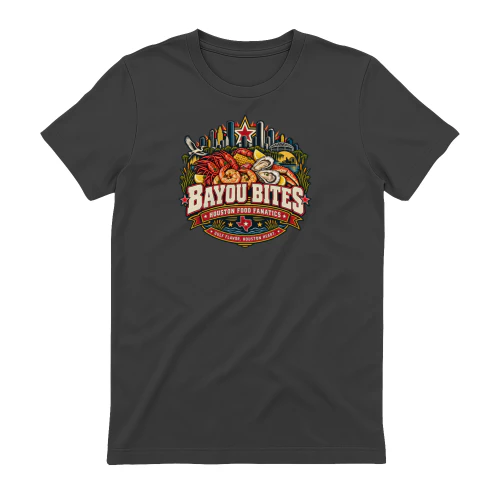
Bayou Bites
A Houston-inspired food design rooted in the Bayou City's Gulf Coast flavor. Drawing on the city's love of seafood, Cajun influence, spice, and neighborhood food traditions, "Bayou Bites" is made for anyone who sees Houston's bayou identity and food culture as naturally connected.
Shop this design ↗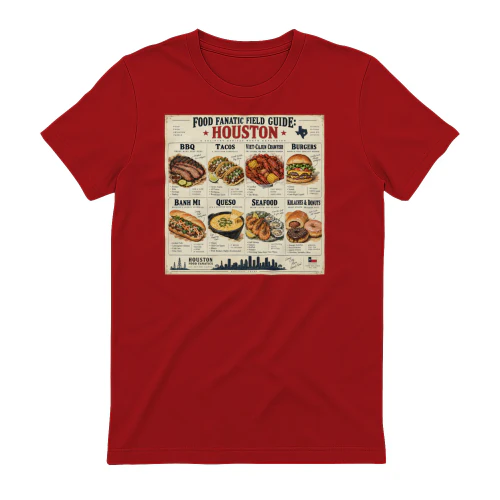
Food Fanatic Field Guide Houston
A vintage illustrated field guide to Houston's famously diverse food scene, built like a culinary reference chart for serious local eaters. The design spotlights smoked Texas barbecue, tacos, Viet-Cajun crawfish, burgers, banh mi, queso, Gulf Coast seafood, kolaches, and donuts alongside Houston skyline and Texas details. It celebrates the cultures, neighborhood traditions, and big appetite that make Houston a culinary habitat worth exploring.
Shop this design ↗