Houston Food Fanatics story
Unlock the Flavors of Turkish Coffee
Unlock the rich, aromatic world of Turkish coffee with our easy-to-follow recipe. Enjoy this refreshing and culturally-significant beverage.
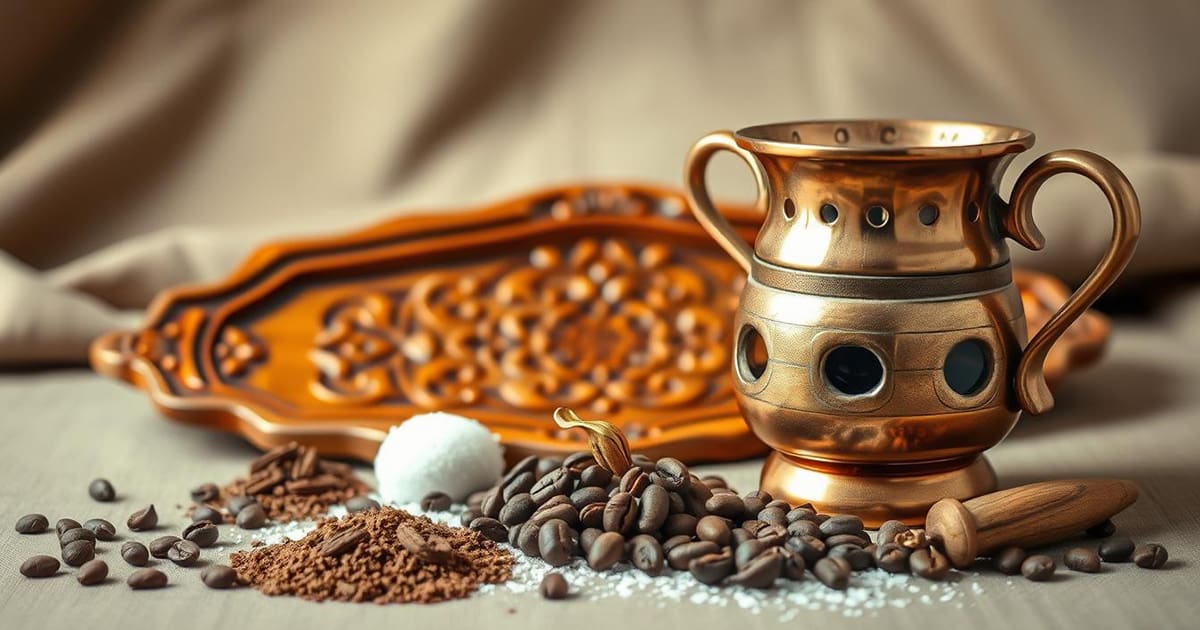
Did you know Turkish Coffee is more than a drink? It’s a way to connect people, filled with tradition and culture. It started in Turkey and is loved worldwide for its unique taste and health perks.

In the world of Coffee Recipe, Turkish Coffee is special. It’s not just for its taste but also for being a Healthy Drink. It’s a Refreshing Beverage great for any time. We’ll look into its cultural importance and share a simple recipe to make it at home.
Introduction to Turkish Coffee and Its Benefits
Turkish coffee is more than a drink; it’s a cultural experience. It combines rich flavors with a deep history. We find many benefits in this traditional coffee.
What is Turkish Coffee?
Turkish coffee uses finely ground Arabica coffee beans. It’s brewed in a small pot called an ibrik or cezve. The coffee is thick and has a bold taste. Unlike other coffees, the grounds are not filtered out, making it very strong.
A Brief History of Turkish Coffee
The history of Turkish coffee goes back to the Ottoman Empire. It was introduced in the 16th century. It quickly became a key part of social gatherings and hospitality.
Over the years, drinking Turkish coffee has become an art. It’s a tradition passed down through generations.
Some important points about Turkish coffee include:
- It was seen as a symbol of wealth and status in the Ottoman era.
- Coffeehouses became places for intellectual and social activities.
- The way it’s prepared was influenced by the Ottoman’s interactions with other cultures.
Health Benefits of Drinking Turkish Coffee
Drinking Turkish coffee has several health benefits. Some of these are:
- Improved cognitive function: The caffeine in Turkish coffee can make you more alert and focused.
- Antioxidant intake: Coffee is full of antioxidants, which can protect cells from damage.
- Potential cardiovascular benefits: Drinking coffee in moderation may lower the risk of heart diseases.
In summary, Turkish coffee is more than a drink. It’s a cultural experience with unique flavors and health benefits.
Ingredients for Authentic Turkish Coffee
Making perfect Turkish coffee starts with the best ingredients and tools. You need high-quality coffee beans, traditional brewing equipment, and extra ingredients for flavor.
Quality Coffee Beans
The key to great Turkish coffee is the coffee beans. Use high-quality, freshly roasted Arabica beans for the best taste. Roast them dark or espresso to get the bold flavor Turkish coffee is known for. Grinding the beans just before brewing keeps their flavor and aroma fresh.
Coffee lovers say the quality of the coffee depends on the beans’ freshness. Freshly roasted and ground beans make your Turkish coffee taste better.
Essential Equipment Needed
To brew Turkish coffee, you need a cezve, or Turkish coffee pot. It’s usually copper or brass and has a long handle for easy pouring. The cezve heats the coffee and water evenly, bringing out the flavors.
You also need a heat source, like a stovetop or candle warmer, and a grinder. A fine grind is key for Turkish coffee, ensuring the right flavor extraction.
| Equipment | Description |
|---|---|
| Cezve | Traditional Turkish coffee pot, typically made of copper or brass. |
| Coffee Grinder | Used to grind coffee beans to a fine grind. |
| Heat Source | Stovetop or candle warmer used to heat the cezve. |
Optional Ingredients for Flavor
While traditional Turkish coffee is unsweetened, some like it sweeter or spicier. Optional ingredients like sugar, cardamom, or spices can enhance the flavor. Sugar goes in during brewing, and spices in the grounds before grinding.
Feel free to experiment with Turkish coffee. Try cinnamon or nutmeg for a unique flavor twist.

Step-by-Step Guide to Brewing Turkish Coffee
Brewing Turkish coffee is an art that needs precision and patience. To make this delightful drink, we must follow a series of steps. This ensures a perfect cup every time.
Preparing the Coffee Grounds
The first step is to prepare the coffee grounds. We grind the coffee beans to a fine powder, almost like flour. This fine grind is key for the right extraction during brewing. Use a burr grinder to get the right consistency.
“The grind size is critical in Turkish coffee,” as it’s “what allows the coffee to dissolve properly in the water, creating that rich flavor we all love.”
Measuring Water and Coffee Ratios
Measuring the right amount of water and coffee is essential. We use one teaspoon of coffee for every 3 ounces of water. But, you can adjust this ratio to your taste. The goal is to find the perfect balance for you.
- Use cold water to prevent any unwanted flavors.
- Measure the coffee and water carefully to maintain the desired ratio.
Brewing Techniques you Need to Know
Now that we have our coffee grounds and water measured, it’s time to brew. We use a cezve, a small pot with a long handle, to heat the mixture over low heat. The coffee is not boiled but heated slowly to the right temperature, allowing the flavors to emerge.
As the coffee brews, you’ll see a layer of foam forming on the surface. This foam, or crema, is a sign of well-made Turkish coffee. Once the coffee starts to simmer and the foam rises, remove it from the heat.
“Turkish coffee is not just a drink, it’s an experience that brings people together.”
By following these steps and paying attention to the details, we can create a truly authentic Turkish coffee experience at home.
The Importance of Coffee Grind Size
To get the most out of Turkish Coffee, knowing about coffee grind size is key. The size of the coffee grind greatly impacts the taste and texture of the coffee.

Why Fine Grinding is Essential
Fine grinding is key for Turkish Coffee. It ensures the right amount of flavor is extracted during brewing. A fine grind makes the coffee beans’ surface area bigger, leading to a more balanced flavor.
Using a grind that’s too coarse can make the coffee taste weak or sour. But, a grind that’s too fine can make it bitter.
How to Achieve the Right Consistency
To get the right consistency for Turkish Coffee, use a burr grinder. It gives a more even grind than blade grinders. Make sure to set the grinder to a fine setting, like powdered sugar or kosher salt.
- Use a burr grinder for consistency.
- Adjust the grind to a fine setting.
- Grind immediately before brewing for the best flavor.
By focusing on the grind size and using the right grinding method, you can improve your Turkish Coffee’s quality. Trying different grind sizes can help you find your ideal cup.
Serving Turkish Coffee the Right Way
Serving Turkish coffee is a sign of hospitality and friendship in Turkish culture. It makes the experience memorable and enjoyable for everyone.
Traditional Serving Methods
Turkish coffee is served in small, ornate cups. The coffee is poured carefully to keep the crema on top. This is a key part of the experience. It’s also common to serve Turkish coffee with a glass of water to clean the palate.
Accompaniments and Pairings
To go with the rich flavor of Turkish coffee, sweets are often served. Traditional treats include Turkish delight, cookies, or chocolate. The sweetness balances out the coffee’s bitterness, making for a great taste experience.
| Accompaniment | Description |
|---|---|
| Turkish Delight | A traditional sweet treat flavored with rosewater or lemon. |
| Cookies | Biscotti or other crunchy cookies that complement the coffee’s texture. |
| Chocolate | Dark or milk chocolate that pairs well with the coffee’s bitterness. |
Decorative Serving Ideas
The way Turkish coffee is presented is just as important as its taste. Using decorative cups and saucers, or serving it on a beautifully crafted tray, adds to the ambiance. You can also garnish the coffee with cinnamon or cardamom pods for extra flavor and looks.
By focusing on these details, you can create a truly authentic Turkish coffee experience. It will delight your guests and leave a lasting impression.
Variations of Turkish Coffee
One of the joys of Turkish coffee is how it can be changed to suit different tastes. You can try adding different ingredients to make unique flavors while keeping the traditional brewing method. This makes Turkish coffee a fun drink to experiment with.
Adding Spices for Extra Flavor
Spices can make Turkish coffee even more flavorful. Cardamom, cinnamon, and nutmeg are popular choices. They add warmth and enhance the coffee’s rich taste. For example, cardamom brings a sweet, aromatic flavor, while cinnamon adds a spicy warmth.


Sweetening Your Coffee
Traditional Turkish coffee is often unsweetened, but you can add sugar or sweeteners to taste. Some like a bit of sugar while brewing, while others prefer it after. You can also try honey or syrups for a different taste. Sweetening it can make the coffee smoother and less bitter.
- Sugar: Adds a straightforward sweetness.
- Honey: Introduces a floral sweetness.
- Syrups (like vanilla or caramel): Can add complex flavors.
Ice-Featured Turkish Coffee
Serving Turkish coffee over ice is a refreshing twist. It’s great for hot weather or those who like cold coffee. To make it, brew the coffee as usual, then pour it over ice. You can add milk or a non-dairy alternative for a creamy, cold drink. This way, you can enjoy Turkish coffee in a new and exciting way.
- Brew Turkish coffee according to the traditional method.
- Pour the brewed coffee over ice in a glass.
- Add any desired sweeteners or creamers.
- Stir well and enjoy.
These variations show Turkish coffee’s versatility. Whether you like it spicy, sweet, or cold, there’s a version for everyone. It’s a drink that can be enjoyed in many ways.
The Cultural Significance of Turkish Coffee
Turkish coffee is more than a drink; it’s a big part of Turkish culture. For centuries, it has shaped how people interact, traditions, and even the economy. We’ll look at how Turkish coffee is important in Turkish society and the fun tradition of coffee fortune telling.
Coffee in Turkish Social Life
In Turkey, coffee is key in social events and showing hospitality. Guests get a cup of Turkish coffee as a sign of respect and welcome. This tradition shows how coffee is not just a drink but a way to bond with others.
Turkish coffeehouses are places for socializing, deep talks, and even politics. They are community spots where people from different backgrounds come to chat and enjoy their coffee.
The Tradition of Coffee Fortune Telling
The tradition of coffee fortune telling, or “falcılık,” is a unique part of Turkish coffee culture. After drinking, the coffee grounds are read to predict the future. This tradition is loved, with skilled “falcılar” (fortune tellers) sharing insights into love, career, and more.
| Aspect of Turkish Coffee Culture | Description | Significance |
|---|---|---|
| Social Gatherings | Coffee is served during visits and special occasions. | Symbolizes hospitality and respect. |
| Coffeehouses | Community hubs for socializing and discussions. | Fosters community and intellectual exchange. |
| Fortune Telling | Interpreting coffee grounds to predict the future. | Adds a mystical and entertaining element to coffee culture. |
Tips for Perfecting Your Turkish Coffee
Making Turkish coffee is an art that needs focus and practice. Whether you’re new to Turkish coffee or a seasoned fan, there are tips to improve your brewing. These tips can help you make a better cup of coffee.
Common Mistakes to Avoid
When brewing Turkish coffee, some mistakes can ruin the taste. Using old coffee beans is a big mistake. Freshness is key for a great flavor. Also, not grinding the beans finely enough can affect the taste.
Using the wrong water-to-coffee ratio can also mess up the flavor. These mistakes can make your coffee taste off.
- Using old or stale coffee beans
- Incorrect grind size
- Wrong water-to-coffee ratio
To avoid these mistakes, use fresh, roasted, and ground coffee. Pay close attention to the coffee-to-water ratio.
Storing Coffee Beans for Freshness
Keeping coffee beans fresh is important. Store them in an airtight container away from light, heat, and moisture. This keeps the flavor and aroma alive.
It’s best to store them in a cool, dark place like a pantry or cupboard. This helps preserve their freshness.

Experimenting with Flavor Profiles
Turkish coffee can be customized to your liking. Try adding spices like cardamom or cinnamon for different flavors. Adjust the sugar to your taste, or even add a pinch of salt.
Don’t be afraid to experiment and find your favorite mix. It’s all about finding what you enjoy the most.
Health Considerations When Drinking Turkish Coffee
Turkish coffee is known for its rich flavor and cultural importance. Yet, it also has health aspects to consider. Knowing its caffeine content and possible health effects is important.
Moderation and Caffeine Content
Turkish coffee has a lot of caffeine. This is because the coffee beans are finely ground, making the drink very strong. Drinking too much can cause jitters, anxiety, and trouble sleeping. So, it’s important to drink it in moderation.
A typical cup of Turkish coffee has 60-80 mg of caffeine. This amount can change based on how much coffee is used and how long it’s brewed. For comparison, an 8-ounce cup of regular coffee has 95-200 mg of caffeine. It’s key to watch your total caffeine intake from all sources.

Potential Health Risks for Certain Individuals
While Turkish coffee is healthy for many, some should be careful. People who are sensitive to caffeine or are pregnant should drink less. Also, those with high blood pressure, heart disease, or anxiety should talk to their doctor before drinking it.
| Health Condition | Precaution |
|---|---|
| Caffeine Sensitivity | Limit intake or avoid |
| Pregnancy | Consult healthcare provider |
| High Blood Pressure | Monitor blood pressure, limit intake |
By knowing these health tips and drinking Turkish coffee in moderation, you can enjoy its taste and cultural value. This way, you can keep your health and well-being in check.
How to Make Turkish Coffee a Daily Habit
Turkish coffee can become your new daily ritual, giving you a moment of peace. By adding it to your daily routine, you’ll enjoy many benefits. These can improve your overall well-being.
Creating a Ritual Around Coffee Time
To make Turkish coffee a daily habit, start by creating a ritual around your coffee time. This could be as simple as brewing a cup at the same time every day. Use your favorite coffee beans and savor the experience.
You can also enhance your ritual by:
- Using traditional Turkish coffee cups to add to the ambiance
- Playing soothing music in the background
- Savoring your coffee in a quiet, comfortable spot
Health and Wellness Benefits of Routine
Drinking Turkish coffee daily can have several health and wellness benefits. The antioxidants in coffee can improve your mental clarity and boost your metabolism. The ritual of preparing and enjoying Turkish coffee can also provide a sense of calm and reduce stress.
Some key benefits include:
- Improved Mental Clarity: The caffeine in Turkish coffee can help enhance your focus and concentration.
- Antioxidant Intake: Coffee is rich in antioxidants, which can help protect your cells from damage.
- Reduced Stress: The ritual of preparing and savoring Turkish coffee can be meditative, helping to reduce stress levels.
By making Turkish coffee a part of your daily routine, you can enjoy these benefits. You’ll also cultivate a meaningful ritual that brings you joy and relaxation.
Sustainability in Turkish Coffee Production
The journey of Turkish coffee from bean to cup is filled with important choices. These choices affect the coffee’s quality and the farmers’ well-being. As consumers, we can make a difference by choosing the coffee we buy and drink wisely.
Ethical Sourcing of Coffee Beans
Ethical sourcing is key to sustainable Turkish coffee. It means getting coffee beans in a way that’s good for farmers, the environment, and local communities. Fair trade practices are critical, ensuring farmers get a fair price for their beans. This helps improve their lives.
“Fair trade is not just about making a fair price; it’s about creating a fair world.”
Supporting Local Farmers
Supporting local farmers is also essential for sustainable Turkish coffee. Buying coffee beans directly from local farmers helps local economies and keeps traditional farming alive. This not only improves the coffee’s quality but also strengthens community bonds.
As we enjoy Turkish coffee, let’s remember its sustainable production. Choosing ethically sourced coffee and supporting local farmers lets us enjoy our favorite drink. It also helps make the world more sustainable and fair.
Conclusion: Enjoying Turkish Coffee as a Beverage and Culture
Turkish coffee is more than a drink; it’s a way to connect with others. It’s filled with tradition and cultural heritage. We’ve seen how making the perfect cup involves knowing its history, using quality ingredients, and mastering brewing.
Crafting the Perfect Cup
To truly enjoy Turkish coffee, you need to understand its preparation. Choosing the finest coffee beans and the right grind size are key. These details make the flavor and aroma unique. By focusing on these, you can make your Turkish coffee experience even better.
Immersing in the Culture
Turkish coffee is a big part of social bonding and cultural rituals. By making it a part of your daily life, you’ll improve your brewing skills. You’ll also join a long tradition. Whether you love coffee or are new to Turkish coffee, we invite you to explore its rich culture. Enjoy every moment of the Turkish coffee experience.

Brisket Ribs Repeat
A smoky Texas barbecue design built around the perfect routine: brisket, ribs, repeat. Thick-cut smoked brisket, glazed ribs, flames, and the Houston skyline create a bold pit-inspired look for barbecue lovers who measure a good day in bark, smoke rings, and full plates.
Shop this design ↗
Spicy Like Houston
A bold Houston food design for people who believe the city should come with a little heat. Inspired by Houston's love of hot sauce, peppers, spicy dishes, and globally influenced flavors, it is a lively statement piece for heat seekers who rarely ask for the mild version.
Shop this design ↗