Houston Food Fanatics story
Chopsticks Day Guide to Dining Traditions and Etiquette
National Chopsticks Day is here! Dive into the world of this essential Asian cuisine accessory and its culinary traditions.
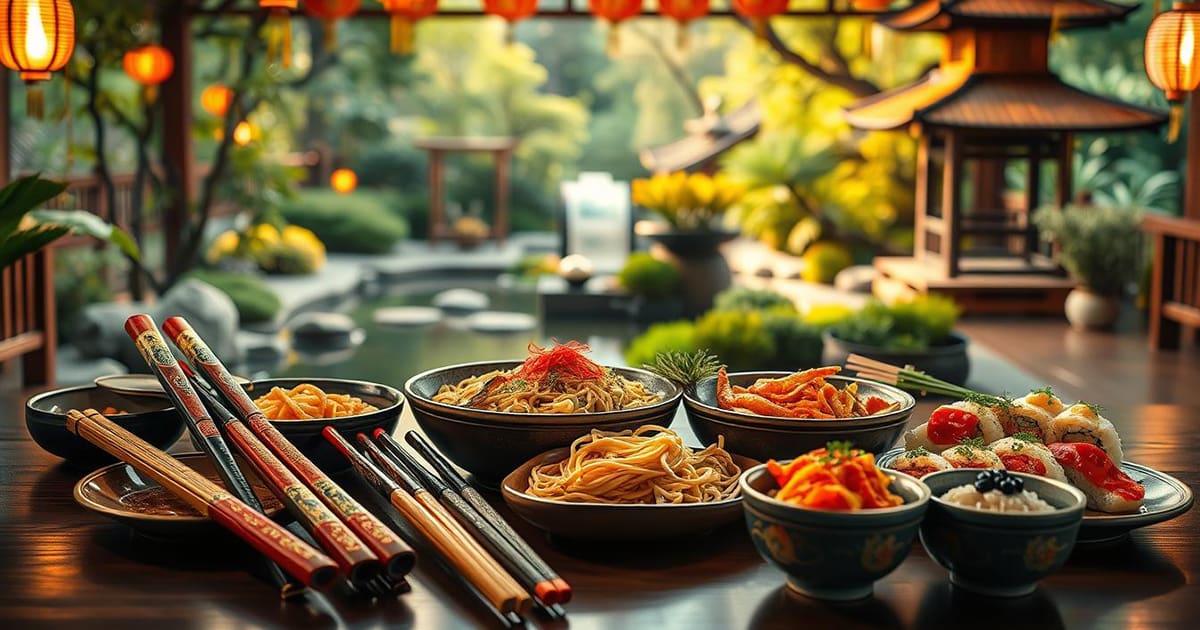
On February 6, 2024, we’re celebrating a culinary legend that’s been a staple in Asian dining for thousands of years. Chopsticks have become an integral part of the culture, and we’re excited to dive into their fascinating world.
Did you know that chopsticks are not just utensils, but a symbol of community and togetherness? As we honor this beloved dining tradition, we’ll take you on a journey through the history, cultural significance, and fun facts about chopsticks.
Whether you’re a food enthusiast or just someone who loves trying new culinary experiences, this article is for you. So, let’s get ready to celebrate National Chopsticks Day and explore the joy of this ancient utensil!
What is National Chopsticks Day?
National Chopsticks Day is a special day that celebrates the unity of people through chopsticks. These utensils have been a key part of Asian food for thousands of years. Chef Li, a famous chef, says, “Chopsticks are not just tools; they connect cultures and generations.”
This day lets us honor the cultural importance, rules, and role of chopsticks in food. It’s a time to learn and appreciate the history and uses of chopsticks worldwide.
From China to Japan, Korea, and more, chopsticks are a big part of eating. The art of using chopsticks is not just about picking up food; it’s about the technique, the etiquette, and the connection it fosters among people.
The beauty of chopsticks lies in their simplicity and versatility. They make eating things like ramen or sushi even better. On this day, people gather to share meals, learn about cultures, and even compete in chopstick-wielding contests.

National Chopsticks Day is more than just about the utensils. It’s about the rich culture they represent. It’s a day to honor tradition while embracing the modern culinary practices that have evolved around the use of chopsticks.
“The use of chopsticks is an art form that requires patience, practice, and dedication. It’s a skill that transcends mere eating; it’s about the experience and the connection with the food and the people you’re sharing it with.”
By celebrating National Chopsticks Day, we honor this ancient tool and the cultures that cherish it. Let’s come together to celebrate this unique part of our shared culinary heritage.
History of Chopsticks
Exploring the history of chopsticks reveals a story deeply rooted in culture and cuisine. For centuries, they’ve been a key part of Asian dining. Their rich history spans thousands of years.
“Chopsticks start their life in various guises, from humble bamboo groves and serene forests to the more glitzy realms of precious metals and jewels,” reflecting the diverse materials and craftsmanship that have shaped their evolution.
Origin of Chopsticks
The story of chopsticks begins in ancient China, where they were first used for cooking. It wasn’t until the Han Dynasty (206 BCE – 220 CE) that they became a staple for eating. The transition from cooking to eating utensils was slow, influenced by changing dining habits and cultural practices.

Evolution in Different Cultures
As chopsticks spread across Asia, they took on different forms in each culture. In Japan, they were often decorated with detailed designs and used in traditional tea ceremonies. In Korea, they were made from metal, setting them apart from the wooden or bamboo ones used elsewhere.
The evolution of chopsticks shows the creativity and craftsmanship of various societies. It also highlights the cultural importance of dining and utensils. From simple eating tools to symbols of cultural identity, chopsticks have had a remarkable journey through history.
“The way we eat is part of who we are, and chopsticks are a big part of that for many cultures.”
Learning about the history and traditions of chopsticks deepens our respect for this simple yet significant utensil. As we continue to explore, we see how chopsticks have become a vital part of not just Asian cuisine but also global culinary practices.
Celebrating National Chopsticks Day
Let’s dive into the fun of National Chopsticks Day. Whether you’re a pro or just starting, there’s lots to do and eat.
Fun Activities for Everyone
One fun way to celebrate is with a chopsticks challenge. Try picking up small things like peanuts or candies with chopsticks. It’s a fun way to test your skills and laugh together.
Another fun activity is to learn about different cultures that use chopsticks. Watch documentaries, read books, or go to cultural events. It’s a great way to learn and appreciate the tradition.
Special Recipes to Try
No celebration is complete without tasty food. National Chopsticks Day is a great time to try new recipes. Start with classics like Pad Thai or Sushi. They’re delicious and fun to eat with chopsticks.
For a taste adventure, try dishes from Asian cuisines. Korean Bibimbap or Chinese stir-fry are flavorful and great for practicing chopstick skills.
Enjoying these meals is about more than just the food. It’s about the cultural experience and sharing meals with others.
So, let’s celebrate National Chopstick Day. Let’s raise our chopsticks and enjoy the joy, culture, and food they bring. What are your favorite dishes to enjoy with chopsticks? Are you trying any new recipes on National Chopsticks Day?
The Cultural Significance of Chopsticks
Chopsticks are more than just a tool; they carry deep cultural meaning. For ages, they’ve been key in dining, showing harmony, balance, and teamwork.
“Chopsticks are not just sticks; they are a bridge between tradition and modernity,” says a renowned food anthropologist. This view shows how chopsticks have grown in today’s food world.
Symbolism in Asian Cultures
In many Asian cultures, chopsticks hold special meanings. In Chinese culture, they symbolize the balance of yin and yang. In Japan, they stand for the beauty and simplicity of traditional food.
Using chopsticks also shows cultural values. For example, passing food with chopsticks is a sign of respect and connection in some cultures.

Chopsticks in Modern Cuisine
In today’s world, chopsticks remain important in food traditions. Restaurants globally use them, mixing old ways with new styles.
Chefs are making chopsticks more than just useful; they’re making them beautiful too. This mix of old and new keeps chopsticks’ culture vibrant.
On National Chopsticks Day, we celebrate more than just a tool. We honor the rich cultural stories chopsticks tell. So, how do you use chopsticks in your meals? What cultural traditions do you hold dear?
How to Choose the Right Chopsticks
Choosing the right chopsticks can be tricky. There are many types to pick from. Whether you love bamboo, wood, or something fancy, there’s a pair for you.
Chopsticks are made from different materials. Bamboo chopsticks are light and good for the planet. Wooden chopsticks feel traditional and can be beautifully made. Metal chopsticks are durable and easy to clean. Plastic chopsticks are perfect for kids or outdoor use.
Materials and Styles
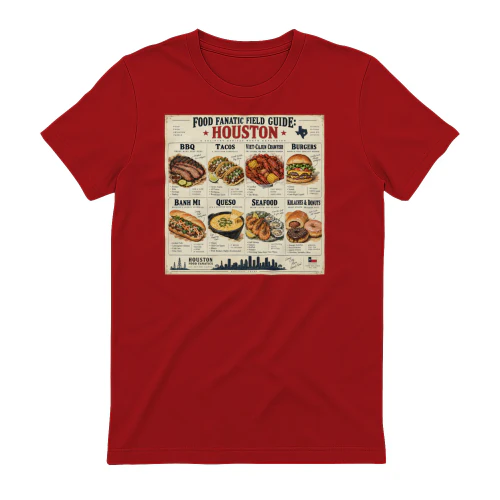
The style of chopsticks depends on your taste and the food you eat. Japanese chopsticks are short and pointed. Chinese chopsticks are long and blunt. Knowing this can make your meal better and show respect for the culture.
Think about the occasion and what feels right for you. Beginners might like training chopsticks. These help you learn how to use chopsticks by guiding food to your mouth.
Tips for Beginners
Start with chopsticks that feel good in your hand. Practice with different foods. Remember, mastering chopsticks takes time and patience. Don’t worry if it’s hard at first – you’ll get better!
Knowing chopsticks etiquette is key, too. It’s rude to leave chopsticks standing in rice, as it’s like a funeral sign in some cultures. Instead, put them on a rest or on the plate’s side.
By picking the right chopsticks and learning about their culture, you’ll enjoy your meals more. You’ll also show respect for the traditions behind this ancient tool.
Mastering the Use of Chopsticks
Learning to use chopsticks can really improve your dining experience. It opens up a world of new foods to try. Whether you’re at a fancy Asian restaurant or cooking at home, knowing how to use chopsticks is key.
Basic Techniques
To begin, you need to learn the basic technique of holding and using chopsticks. Hold one chopstick between your thumb and index finger. The second chopstick goes between your middle finger and thumb. This setup helps you pick up food.
Start by practicing with small objects like peanuts or beans. This will help you get better at moving the top chopstick. With practice, you’ll soon be using chopsticks like a pro.
Common Mistakes to Avoid
One common mistake is holding the chopsticks too tightly or too loosely. Finding the right balance is important. Another mistake is not keeping the chopsticks parallel, which makes picking up food harder.
Also, remember the etiquette around using chopsticks. For example, passing food from one pair of chopsticks to another is considered impolite in some cultures. Knowing these rules shows respect for the culture and makes your dining experience better.
By mastering chopsticks and following the etiquette, you’ll enjoy Asian cuisine more. You’ll also understand the cultural importance of this ancient utensil.
What are your favorite dishes to enjoy with chopsticks? Share your experiences and tips for mastering chopsticks!
Fun Facts About Chopsticks
Let’s explore some cool facts about chopsticks. They’ve been a key part of many Asian cultures for thousands of years. Their importance goes way beyond just eating.
Did you know chopsticks first appeared in China over 3,000 years ago? They started as tools for cooking and serving. Now, they’re more than just a tool; they’re a symbol of community, harmony, and balance.

In many Asian cultures, chopsticks are seen as a part of the person using them. In Japan, passing chopsticks is like a funeral ritual. This shows how deeply chopsticks are tied to culture.
Chopsticks can be made from bamboo, wood, metal, or even plastic. The choice depends on the occasion, personal taste, and tradition. Bamboo chopsticks are popular in many places because they’re eco-friendly.
Chopsticks come in different lengths and shapes, showing the unique dining customs of each culture. Chinese chopsticks are longer than Japanese ones, reflecting their different food traditions.
Chopsticks are more than just a simple tool. They connect us to different cultures and traditions. Whether you’re new to using them or have been for years, there’s always something new to learn and appreciate.
What’s the most interesting fact about chopsticks to you? Share your thoughts and let’s keep exploring the rich history and culture of this iconic utensil!
The Global Impact of Chopsticks
Chopsticks are more than just utensils. They symbolize cultural exchange and culinary diversity. As the world connects more, chopsticks have spread beyond Asia, changing global food.
Adoption in Western Cuisine
Western cuisine is now embracing chopsticks. Upscale restaurants offer them alongside traditional forks and knives. This shows a growing love for chopsticks culture.
Chopsticks in Western food also come from the rise of Asian dishes. People trying new foods are drawn to using chopsticks. This has made restaurants and homes more chopstick-friendly.
Chopsticks in Popular Media
Chopsticks have appeared in movies, TV, and social media. They symbolize cultural authenticity or add exotic flair. Their media presence helps them become more popular.
Media shows of chopsticks traditions spark curiosity. Chopsticks are now seen as cultural ambassadors. They introduce us to the rich heritage and customs of their use.
In summary, chopsticks show the power of cultural exchange and food innovation. As we explore more traditions, chopsticks will likely become even more common. They will make our meals richer and our understanding broader.
What do you think chopsticks will mean for global food in the future?
Hosting a National Chopsticks Day Event
Celebrate National Chopsticks Day with an event that will amaze your guests. A little creativity can turn any gathering into a memorable chopsticks celebration.
Start by planning your menu. Choose dishes like sushi, stir-fries, and noodles that are best eaten with chopsticks. The possibilities are endless!
Ideas for Gatherings
The right ambiance is key for a successful chopsticks food event. Use Asian decor like lanterns and bamboo to create a cozy atmosphere. Soft background music will help set the mood.
Consider a chopsticks challenge or cooking competition. It adds fun and lets guests show off their skills. This makes your event more engaging and entertaining.
Collaborating with Local Restaurants
Partnering with local Asian restaurants can make your event special. They might cater or host your event. This offers guests a real taste of Asian cuisine.
When working with restaurants, talk about your plans and budget. You can create a menu that fits your theme. They might also offer cooking demos or workshops.
Hosting a National Chopsticks Day event is a chance to celebrate and learn about different cultures. Be creative, have fun, and make it a day to remember!
What unique idea will you use to celebrate National Chopsticks Day this year?
Educational Resources for Schools
Exploring chopsticks is key to sharing cultural treasures with kids. Teaching them about chopsticks culture and traditions boosts cultural awareness and fine motor skills.
We’ve gathered great resources to help teachers celebrate National Chopsticks Day in class.
Incorporating Cultural Education
Adding chopsticks traditions to the curriculum can deepen students’ understanding of Asian cultures. Start by using educational materials that show the history and importance of chopsticks. Interactive modules or multimedia presentations can showcase their use in various cultures.
Hands-on activities that let students practice using chopsticks make learning fun and engaging.
Activities for Kids
Here are some activity ideas for your students:
Chopsticks Challenge: Create challenges that test students’ chopsticks skills, like picking up different foods or objects.
Cultural Presentations: Have students research and present on chopsticks in different cultures. This promotes cultural exchange and understanding.
These activities help students appreciate the rich cultural heritage of chopsticks.
Are you ready to celebrate National Chopsticks Day in your classroom and share chopsticks with your students?
Join the Conversation: Share Your Experience
As we wrap up our exploration of National Chopsticks Day, we invite you to share your chopsticks experiences. Whether you’re a seasoned pro or just starting, there’s always more to learn and discover.
You can join the conversation on social media by sharing your favorite chopsticks moments, recipes, or tips. Use hashtags related to National Chopsticks Day and tag your friends who love Asian cuisine. You can also participate in community events and workshops to learn more about the cultural significance of chopsticks.
If utensils could talk, what would your favorite chopsticks say about their culinary adventures? Share your stories and let’s keep the conversation going!
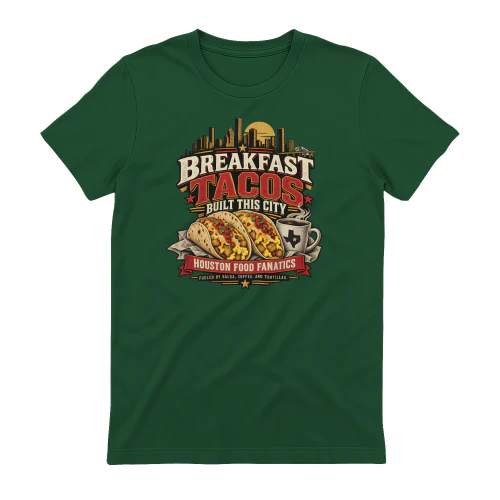
Breakfast Tacos Built This City
A Houston breakfast-taco design celebrating the handheld morning staple that fuels early commutes, weekend stops, job sites, offices, and countless neighborhood taquerias. It is a proud tribute to tortillas filled with eggs, potatoes, bacon, sausage, and salsa—and the food tradition Houston keeps coming back to.
Shop this design ↗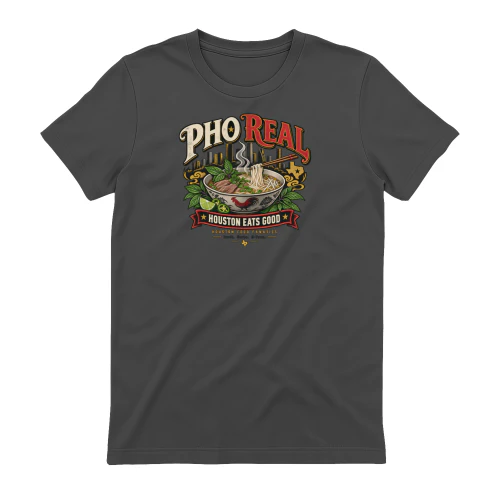
Pho Real Houston Eats Good
A playful Houston pho design celebrating one of the city's most beloved comfort foods. With a lighthearted phrase and unmistakable Vietnamese-food inspiration, it is made for pho regulars, noodle lovers, and anyone who appreciates Houston's deep Vietnamese culinary roots and outstanding bowls across the city.
Shop this design ↗