Houston Food Fanatics story
Empanada Day Recipes for Crispy Savory Handhelds
Celebrate National Empanada Day with us! Discover the authentic flavors of this beloved Latin American pastry.
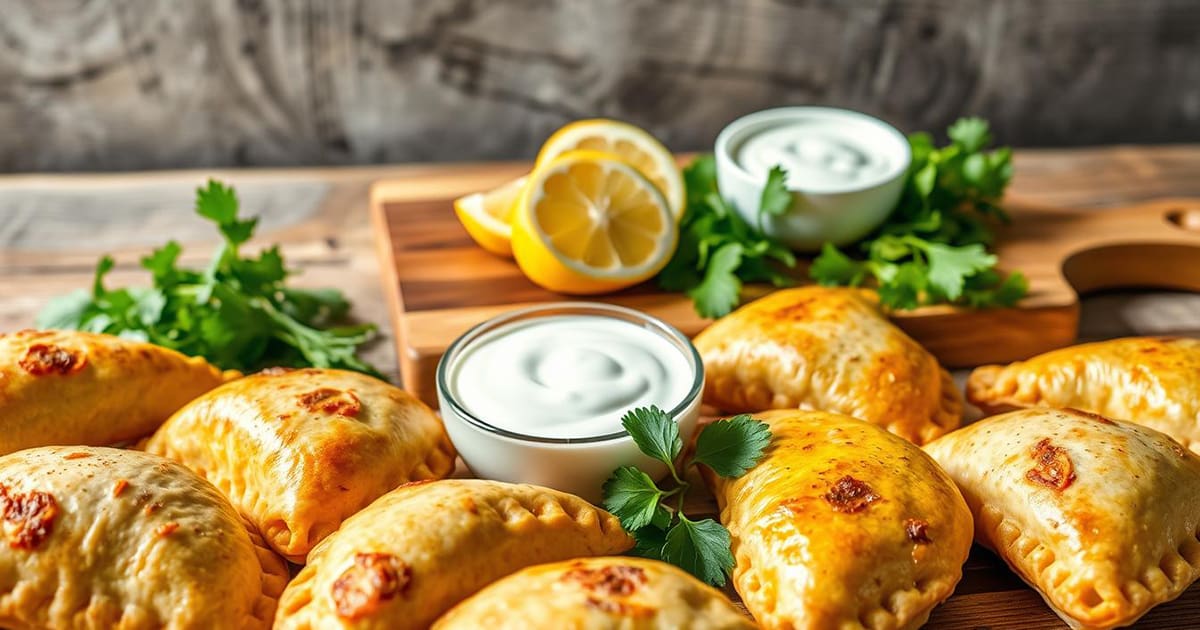
It’s that time of the year again! On April 8th, foodies around the world come together to celebrate a delicious Latin American staple: the empanada. Did you know that empanadas are not just a tasty pastry, but a cultural phenomenon that spans across countries and cuisines?
We’re excited to dive into the rich history and diverse recipes of empanadas. This celebration food brings people together. Whether you’re a seasoned chef or a curious food enthusiast, National Empanada Day is the perfect opportunity to explore new flavors and traditions.

Join us as we count down to April 8th. We’ll explore the best empanada recipes, cooking tips, and the cultural significance behind this beloved pastry. Let’s make this April food holiday one to remember!
What is National Empanada Day?
On National Empanada Day, we explore the rich history and cultural importance of empanadas. These tasty treats are filled with meat, cheese, or veggies. They’re wrapped in a flaky pastry crust.
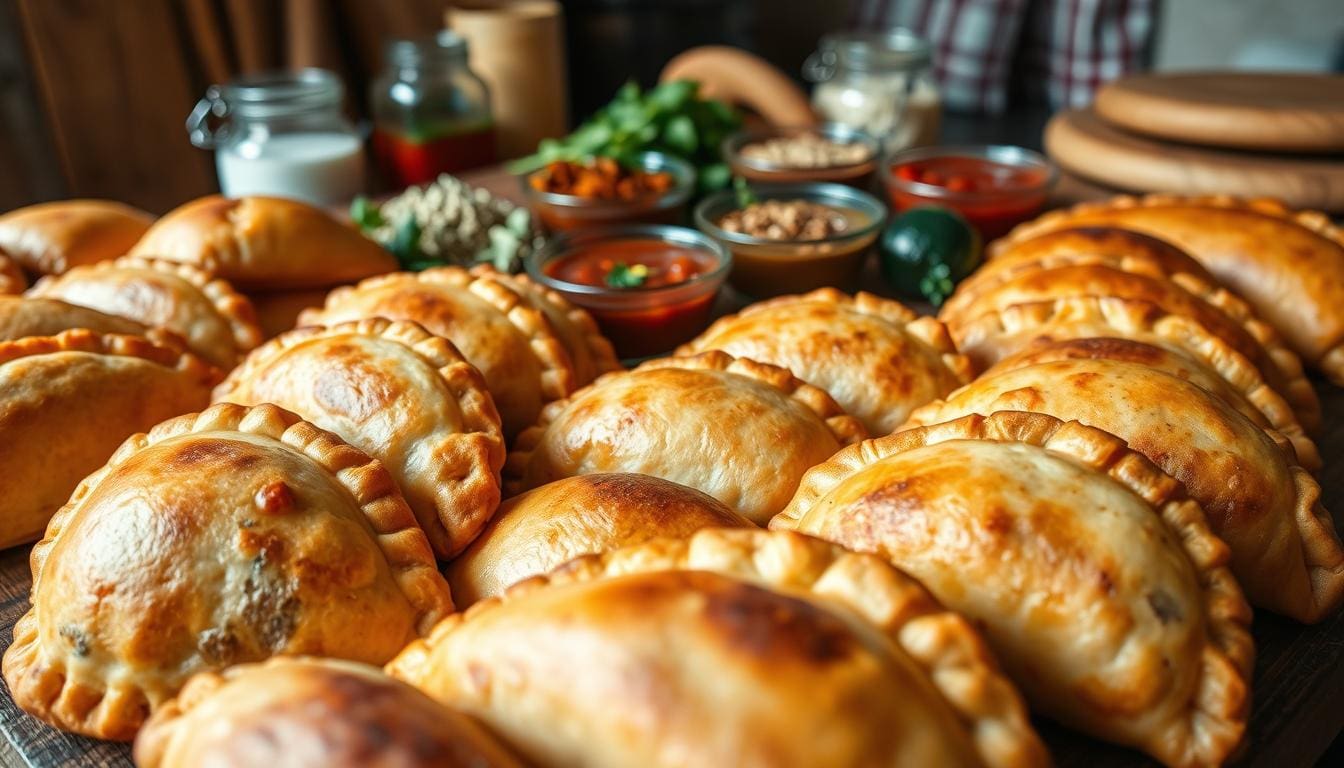
The Origin of Empanadas
The exact start of empanadas is a mystery, but they likely began in Spain in the 1500s. The term “empanada” comes from “empanar,” which means to wrap in bread. Spanish colonizers took their cooking to Latin America, making empanadas a local favorite.
Empanadas became a key dish in many Latin American countries. Each place added its own twist, with fillings ranging from beef and chicken to cheese and veggies. All are wrapped in a tasty pastry.
Significance of the Day
National Empanada Day is more than just a food fest. It celebrates the cultural heritage and diversity empanadas embody. By enjoying empanadas, we honor Latin American cuisine and the people who cherish these savory pastries.
Celebrating National Empanada Day is a chance to try new recipes, visit empanada shops, and share with loved ones. It’s a day for food lovers and empanada enthusiasts alike.
A Brief History of Empanadas
Empanadas have a fascinating history that spans continents and centuries. These tasty pastries have evolved from medieval Spain to Latin America. Today, they are a beloved dish in many countries, each with its own twist.
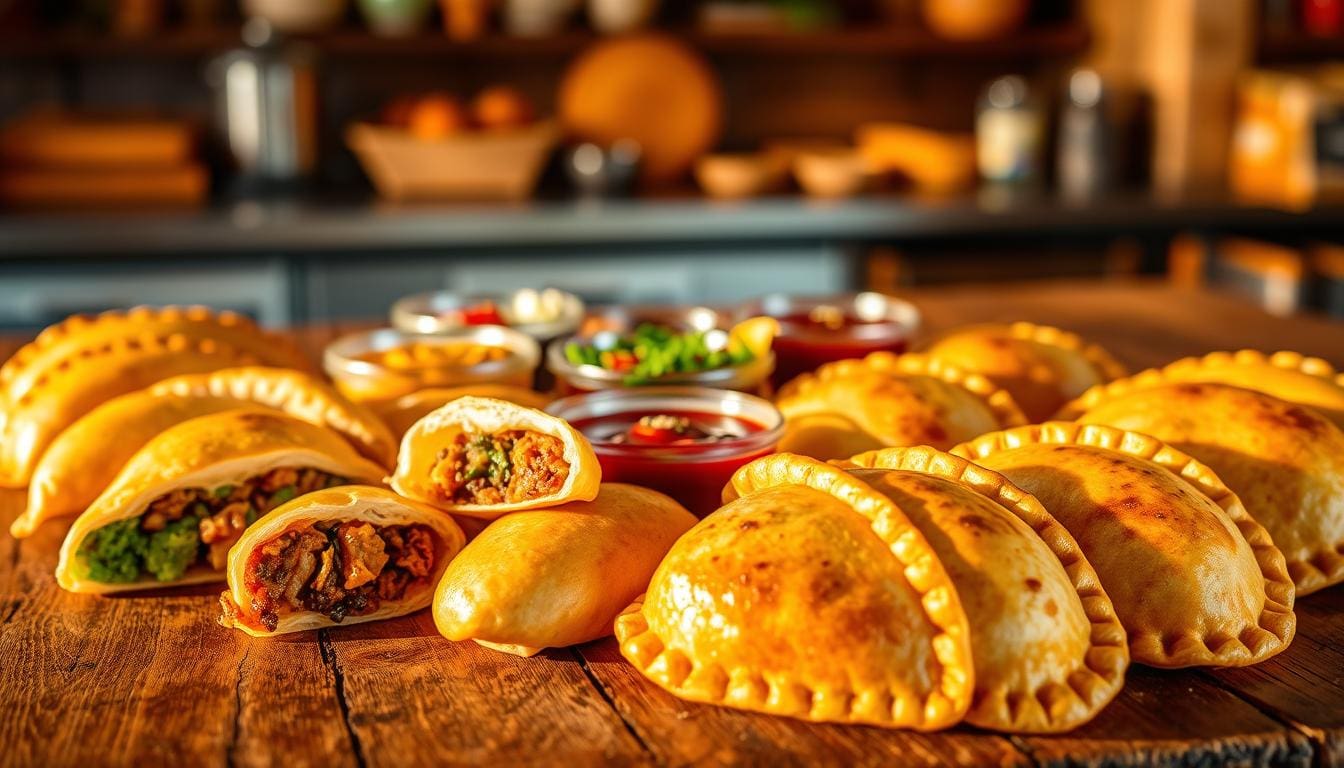
Originally from medieval Spain, empanadas were filled with meat, seafood, or veggies. Spanish colonizers brought them to Latin America, where they adapted to local tastes. Now, empanadas are a staple in many Latin American countries, each with its own special version
.
Cultural Variations Around the World
Empanadas have become a cultural symbol in many places. In Argentina, they are a favorite dish, with different regions having their own fillings and cooking styles. In Colombia, they are often filled with beef or chicken and fried to a golden crisp.
In the Philippines, empanadas are known as “empanada de kaliskis” and are filled with shrimp, chicken, or veggies. This shows how empanadas have traveled and been influenced by different cultures.
Traditional Ingredients and Recipes
Traditional empanada recipes use common ingredients like flour, water, and salt. But it’s the fillings that really show off the creativity. You’ll find everything from beef to seafood to veggies.
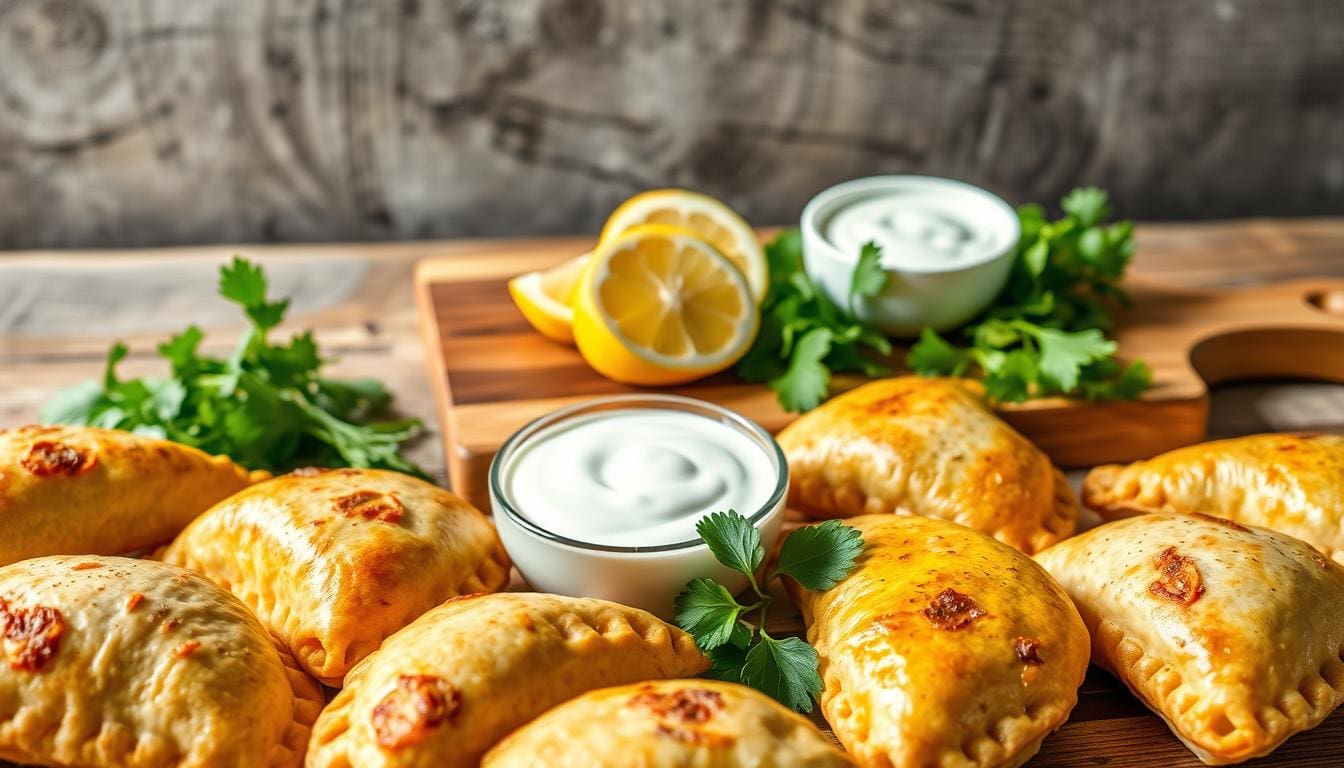
Empanada recipes often include spices and herbs for extra flavor. For example, Argentine empanadas might have paprika and cumin, while Colombian ones might have cilantro and chili flakes. The dough is made with flour, salt, and water, sometimes with eggs or butter for extra richness.
To make traditional empanadas, you need to master dough-making and filling preparation. This involves mixing, kneading, resting the dough, filling, and sealing. Whether baked or fried, they’re best served hot with a dipping sauce or salsa.
Exploring empanadas shows they’re more than just food. They represent cultural identity and community. Whether you stick to traditional recipes or try new ones, the joy of empanadas comes from their versatility and rich flavors.
How to Celebrate National Empanada Day
National Empanada Day is coming up, and we’re excited to share how to celebrate. Whether you love empanadas or want to try something new, there are many ways to have fun.

Hosting an Empanada Party
Hosting an empanada party is a great way to celebrate. Invite friends and family to enjoy a variety of homemade empanadas. Try different recipes and fillings to find your favorite.
Set up an empanada-making station with ingredients. Let your guests make their own empanadas. It’s a fun way to enjoy this traditional dish together.
Sharing with Friends and Family
Sharing empanadas is key to National Empanada Day. Bake or fry a batch to share at a gathering. Or, host a potluck where everyone brings their favorite empanada.
As “Empanadas are a symbol of love and community”, sharing them strengthens bonds. So, try new recipes and share them with your community.
“The art of making empanadas is a tradition passed down through generations, and sharing them is a way to connect with our heritage.”
By hosting a party or sharing empanadas, you’re celebrating more than just a day. You’re keeping a rich culinary tradition alive and bringing people together.
Popular Empanada Recipes to Try
From classic beef to sweet fillings, we’re exploring empanadas. These treats are versatile, perfect for any taste or diet. You can try many fillings to find your favorite.
Classic Beef Empanadas
Classic beef empanadas are loved in many Latin American countries. You need ground beef, onions, garlic, and spices. Wrap them in flaky pastry for a tasty treat.
“Empanadas are comforting and flavorful,” says a Food Network chef. “Use fresh ingredients for the best taste and texture.”
Vegetarian Options
Vegetarian empanadas are just as tasty. Fill them with roasted vegetables, cheese, and beans. You can also try different cheeses and spices for unique flavors.
Sweet Empanada Fillings
Sweet empanadas are perfect for dessert or a snack. Try apple cinnamon, chocolate, or dulce de leche fillings. You can get creative with your fillings.
“Making empanadas is a tradition passed down through generations,” a Netflix documentary says. “Each family adds their own twist.”
Whether you love traditional recipes or new flavors, there’s an empanada for you. So, start baking and enjoy the world of empanadas!
Local Empanada Spots to Visit
Empanadas are a big deal in Latin American food. We know where to find the best ones near you. Whether you love food or just want to try something new, visiting local empanada spots is a great way to celebrate National Empanada Day.
Many Latin American restaurants and food trucks now offer empanadas. You can find authentic empanadas at these local spots. They have everything from traditional Argentine empanadas to Colombian and Mexican ones.
Top Empanada Restaurants in Your City
When it comes to finding the best empanadas, your local restaurants are often the best choice. Here are some top recommendations:
La Taqueria – Known for their Mexican-inspired empanadas, this spot is a must-visit for anyone looking for a flavorful twist on traditional empanadas.
Empanada Lovers – As the name suggests, this restaurant specializes in empanadas from various Latin American countries. They offer a diverse menu that’s sure to please.
Food Trucks and Pop-Ups to Check Out
Food trucks and pop-up events are another great way to experience the best of empanada culture. Here are a few to keep an eye out for:
Empanada Fiesta – This food truck travels around the city, serving up delicious empanadas with unique fillings that are sure to tantalize your taste buds.
Latin Flavors – At pop-up events, this vendor offers a range of empanadas. They showcase the rich culinary traditions of Latin America.
So, on National Empanada Day, why not explore these local empanada spots? Indulge in the savory pastries that make this celebration so special?
Empanada Pairings and Drinks
Make your empanada experience better with the right drinks and sides. Empanadas are a big part of Latin American food. They taste even better with the right drinks and sides. Whether you’re having a big dinner or a simple meal, we have some great ideas for you.
Wines and Beverages that Complement Empanadas
There are many drinks you can pair with empanadas. For a classic Argentine empanada, try a Malbec wine. It matches the empanada’s meaty flavor well. Or, you could go for a cold beer or a glass of sangria for a different taste.
For a true Latin American vibe, try horchata or agua fresca with your empanadas. These drinks are refreshing and add to the fun of your gathering.

Side Dishes to Serve Alongside
No empanada meal is complete without tasty sides. Try salad, rice, and beans for a classic choice. Or, mix things up with roasted veggies or a slaw made with red cabbage and carrots.
For a special touch, offer different easy empanada fillings. This lets everyone make their own favorite. It’s fun and lets everyone enjoy what they like.
Happy National Empanada Day! What’s your favorite empanada filling? How do you like to enjoy it with drinks and sides?
The Art of Making Empanadas
Creating homemade empanadas is easy with a simple dough recipe and practice. It’s a skill that needs patience, but the result is worth it. Chef Maria Rodriguez says, “Empanadas are a labor of love. They take time and patience, but they bring joy to those who eat them.”

Step-by-Step Guide for Beginners
To make traditional empanadas, start with the dough. Mix 2 cups of flour, 1 teaspoon of salt, and 1/4 cup of butter until it’s coarse. Add 1/4 cup of warm water, stirring until it forms. Knead for 5 minutes until it’s smooth.
Then, prepare your filling. Use ground beef, chicken, or cheese. For beef empanadas, cook 1 pound of ground beef with 1 onion, 2 cloves of garlic, and 1 teaspoon of cumin. Season with salt and pepper.
Roll the dough to 1/4 inch thickness. Cut out circles with a cookie cutter or glass. Place a tablespoon of filling in each circle. Fold the dough over, press the edges, and crimp with a fork.
Common Mistakes to Avoid
A common mistake is not sealing the empanadas well. Press the edges together firmly and crimp with a fork to keep the filling inside.
Don’t overwork the dough. This makes empanadas tough. Mix the dough just until it comes together, and avoid over-kneading.
“The key to making great empanadas is in the dough,” says Chef Rodriguez. “It should be tender and flaky, not tough and dense.”
Follow these tips and practice to make delicious homemade empanadas. They’ll impress your friends and family.
What’s your favorite empanada filling? Do you have a secret recipe to share? We’d love to hear it!
Empanada Variations by Country
Empanadas are a big part of Latin American cuisine, found from Argentina to Colombia. Each country adds its own twist to this tasty pastry.

Argentinian vs. Colombian Empanadas
Argentinian empanadas are famous for their beef, seasoned with chimichurri, a tangy herb sauce. Colombian empanadas, on the other hand, have chicken or cheese, in a crispy cornmeal crust. These show the unique cooking traditions of each country.
Both types are yummy, but they show the creativity in Latin American food. Whether it’s an Argentinian beef empanada or a Colombian chicken one, you’re tasting local culture.
Spanish and Filipino Influences
Empanadas come from Spanish cuisine, where they’ve been loved for ages. Spanish ones often have seafood or meat, showing their maritime history. Spanish explorers took their empanada-making skills to new lands, shaping empanadas in other countries.
In the Philippines, a former Spanish colony, empanadas are a favorite snack. They have ground meat or veggies, in a flaky pastry. This shows how local tastes and cooking methods have mixed with the traditional recipe, creating a new flavor.
Empanadas vary a lot from country to country, showing local tastes and traditions. Whether it’s a traditional Argentinian empanada or a Colombian one, you’re diving into the rich flavors of Latin America.
Fun Facts About Empanadas
Exploring empanadas reveals interesting facts that enhance their appeal. These savory pastries are loved worldwide, with each culture adding its own twist.
Global Consumption Statistics
Empanadas are a hit globally, with various fillings and cooking styles. In Latin America, they’re a top street food. In the U.S., their popularity is soaring, with restaurants and food trucks adding them to menus.
Some interesting statistics include:
- Over 70% of Latin American households enjoy empanadas weekly.
- The global empanada market is set to grow by 10% annually for the next five years.
- In the U.S., empanada sales have jumped by 20% in two years, thanks to the Hispanic population’s growth.
Unique Empanada Festivals
Empanada festivals celebrate this culinary joy, with many countries hosting them. These events feature empanada vendors, cooking contests, and music. Some notable festivals include:
The annual Empanada Festival in Buenos Aires, Argentina, draws thousands of visitors.
The Empanada Extravaganza in Los Angeles, California, highlights the variety of empanada fillings and styles.
These festivals show the deep love and passion for empanadas. Whether you’re a food lover or seeking a new experience, empanada festivals are a must-see.
On National Empanada Day, we invite you to share your empanada stories. What’s your favorite filling, and how do you enjoy them?
The Future of Empanadas in America
Empanadas are changing to fit what Americans want to eat. They’re now vegan, gluten-free, and full of new flavors. This change is because people want different tastes and healthier options.
Trends in Vegan and Gluten-Free Versions
More people are eating vegan and gluten-free. So, empanada makers are making plant-based and gluten-free ones. “Empanadas are becoming more inclusive,” says a food trend expert. “We’re seeing fillings like jackfruit and vegan cheese, and dough made from rice and corn.”
These changes aren’t just for special diets. They’re also about trying new tastes and textures. Vegan empanadas might have roasted veggies or tofu. Gluten-free ones use quinoa or amaranth.
How Empanadas Are Being Innovated
Empanadas are getting a makeover, not just in fillings and dough. Chefs are baking or grilling them instead of frying. This makes them healthier without losing flavor.
Chefs are also trying new fillings. They’re using Korean BBQ beef or Mediterranean falafel. “Empanadas are a versatile canvas for culinary creativity,” says a chef. “We’re seeing fusion flavors that blend Latin American traditions with global cuisines.”
As empanadas keep changing, we’ll see even more cool ideas. What do you think the future holds for empanadas? Will they have lab-grown meat or new dough types? The possibilities are endless, and we’re excited to see what’s next.
Join the Celebration on Social Media
It’s time to share your love for empanadas with the world! We’re celebrating National Empanada Day and we want you to join in. Share your homemade empanadas, whether they’re classic beef or vegan, and use hashtags to connect with others.
Showcase Your Creations
We want to see your empanada masterpieces! Share photos of your celebration food and tell us about your favorite recipes. Whether you’re a seasoned chef or just starting out, your creations will inspire others.
Be Part of the Empanada Community
Engage with the empanada community on social media. Discover new recipes, cooking techniques, and restaurants to try. By sharing your experiences and learning from others, you’ll join a vibrant community that loves celebration food and homemade empanadas. As we wrap up our journey, tell us about your most unforgettable culinary experience involving a mysterious or supernatural food encounter?
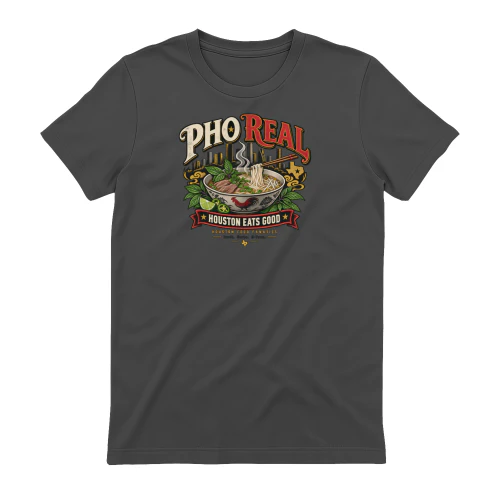
Pho Real Houston Eats Good
A playful Houston pho design celebrating one of the city's most beloved comfort foods. With a lighthearted phrase and unmistakable Vietnamese-food inspiration, it is made for pho regulars, noodle lovers, and anyone who appreciates Houston's deep Vietnamese culinary roots and outstanding bowls across the city.
Shop this design ↗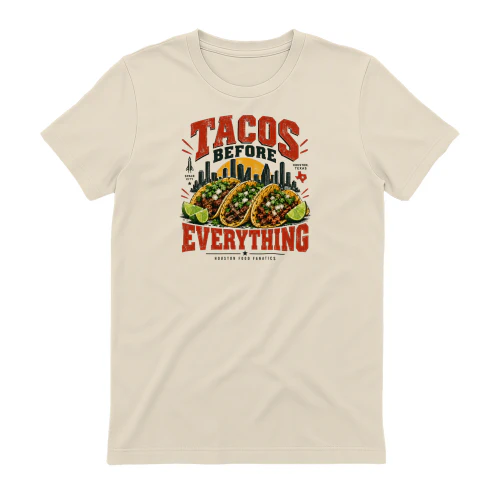
Tacos Before Everything
A bold Houston taco design for anyone whose food priorities begin with tacos. Four loaded street tacos, fresh lime, salsa, the Houston skyline, Space City details, and oversized distressed lettering turn "Tacos Before Everything" into a colorful statement for taqueria regulars and devoted Houston taco fans.
Shop this design ↗