Houston Food Fanatics story
Creme Brulee Dessert Recipe
Crème Brûlée: Decadent Dessert Recipe You’ll Love – Our step-by-step guide to mastering this classic.
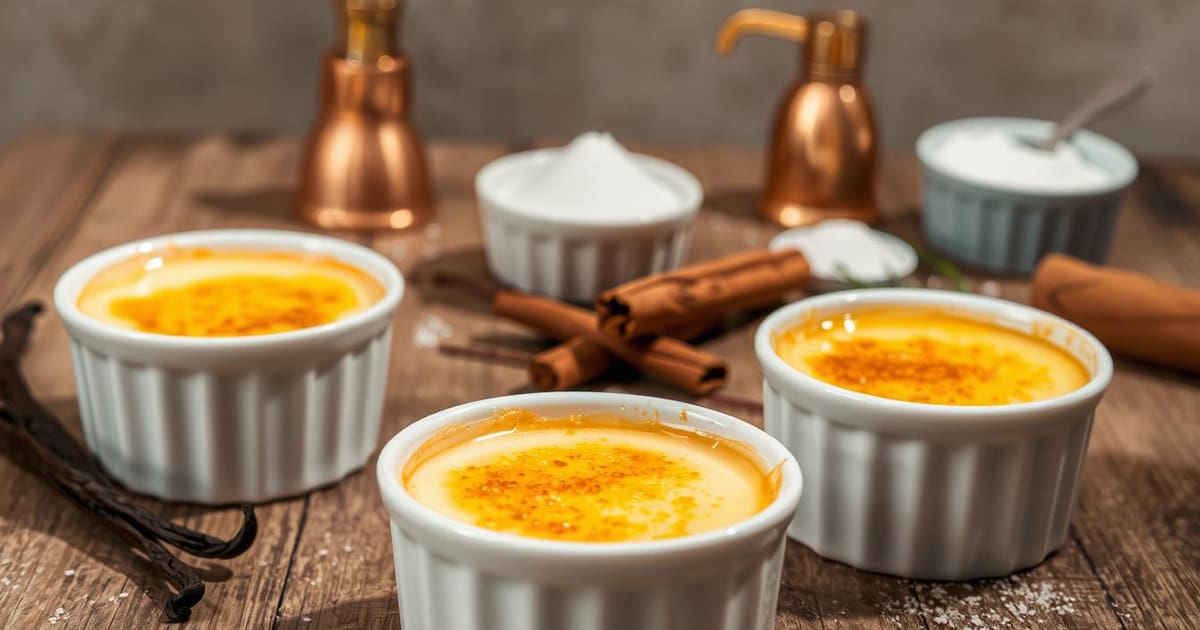
Picture a creamy custard topped with caramelized sugar. This French dessert has been loved for centuries. It’s all about the mix of textures and tastes.

We’ll show you how to make this decadent dessert at home. It’s perfect for impressing guests with its elegant look and rich flavor. Let’s explore why Crème Brûlée is a timeless favorite.
What is Crème Brûlée?
Crème Brûlée comes from 17th-century France and is loved everywhere. It’s a rich custard topped with caramelized sugar. This mix of textures is what makes it special.
A Brief History of the Dessert
Crème Brûlée, or ‘burnt cream,’ started in the 17th century. It became famous in France and is now a favorite in fine dining. The original recipe used cream, sugar, and eggs, which are key today.
The dessert’s journey shows how cooking has changed. It was first cooked over an open fire, needing constant care. New cooking tools made it easier for chefs and home cooks.

Variations Around the World
Crème Brûlée has changed as it traveled, taking on local tastes. In some places, it’s made with vanilla or chocolate. In others, it gets a twist from local liqueurs or essences.
| Region | Variation | Unique Ingredient |
|---|---|---|
| France | Traditional Crème Brûlée | Vanilla |
| Spain | Crema Catalana | Lemon zest |
| Italy | Crème Brûlée with Hazelnut | Hazelnut praline |
These changes show how versatile Crème Brûlée is. They also show chefs’ creativity. Whether in a fancy restaurant or at home, Crème Brûlée always impresses.
Key Ingredients for the Perfect Crème Brûlée
Making a rich Crème Brûlée starts with knowing its key parts. The quality of your ingredients is very important for this dessert.
To make a classic Crème Brûlée recipe, you need heavy cream, egg yolks, sugar, and vanilla. Each ingredient is vital for the dessert’s taste and texture.
Understanding the Role of Heavy Cream
Heavy cream is the heart of Crème Brûlée, giving it its creamy texture. It’s important to use top-quality heavy cream. This ensures the custard is rich and flavorful.

The Importance of Quality Eggs
Egg yolks are key for thickening the custard. The quality of your eggs greatly affects the dessert’s texture and taste. Fresh, farm-fresh eggs are best for the best flavor.
Choosing the Right Sugar
Sugar adds sweetness and helps create the caramelized top of Crème Brûlée. The type of sugar matters. Use granulated sugar for the caramel and superfine sugar in the custard for easier dissolving.
By focusing on these ingredients and their roles, you’ll make a delicious homemade Crème Brûlée. It’s sure to impress anyone.
Essential Equipment You’ll Need
To make the perfect Crème Brûlée, you’ll need some key equipment. It’s not just about the ingredients. The right tools are also important for a perfect dessert.
First, you’ll need ramekins. These small dishes are vital for individual servings. When picking ramekins, think about their size and material.
Ramekins: Size and Material Considerations
The size of your ramekins affects baking time and texture. 6-ounce ramekins are usually best for a standard recipe. Ceramic ramekins are popular because they heat evenly.
| Material | Heat Distribution | Durability |
|---|---|---|
| Ceramic | Even | High |
| Glass | Good | Medium |
| Porcelain | Excellent | High |
A water bath container is also essential. It holds the ramekins while baking, ensuring even cooking.
Torch vs. Broiler: Which to Use?
To caramelize the sugar, you’ll need a kitchen torch or a broiler. A torch offers more control for a smooth caramel layer. A broiler is a bit unpredictable but works too.
“The art of caramelizing sugar is a delicate one, requiring patience and a steady hand.” – Jacques Pépin
Using a kitchen torch, as shown in the image below, is a precise way to caramelize sugar: 
In conclusion, the right equipment is key for delicious Crème Brûlée. With the right ramekins and a kitchen torch or broiler, you’ll make a dessert everyone will love.
Step-by-Step Instructions for Making Crème Brûlée
Making Crème Brûlée at home is easier than you think. We’re here to guide you through it. This classic dessert may seem intimidating, but with our step-by-step instructions, you’ll be creating a delicious Crème Brûlée in no time.
Preparing the Custard Mixture
To start, you’ll need to prepare the custard mixture. In a medium bowl, whisk together 2 large egg yolks and 1/2 cup granulated sugar until well combined. In a separate saucepan, heat 1 cup heavy cream and 1/2 cup whole milk over medium heat until it starts to simmer.
Gradually pour the warm cream mixture into the egg yolks, whisking constantly to prevent the eggs from scrambling. Once the mixture is smooth, return it to the saucepan and cook over low heat, stirring constantly, until it thickens and coats the back of a spoon. Remove from heat and stir in 1 tsp vanilla extract. Strain the mixture into a clean bowl to remove any egg solids.

Baking: The Water Bath Technique
Preheat your oven to 300°F (150°C). Pour the custard mixture into 4-6 ramekins, depending on their size, and place them in a large baking dish. Add hot water to the baking dish to come halfway up the sides of the ramekins. Bake for 25-30 minutes, or until the edges are set and the centers are slightly jiggly.
Chilling Your Crème Brûlée
Remove the ramekins from the water bath and let them cool to room temperature. Cover with plastic wrap, pressing the wrap directly onto the surface of the custard to prevent a skin from forming. Refrigerate for at least 2 hours or overnight.
| Step | Description | Time |
|---|---|---|
| Preparing Custard Mixture | Whisk egg yolks and sugar, heat cream and milk, combine and cook until thickened. | 15 minutes |
| Baking | Pour mixture into ramekins, bake in water bath. | 25-30 minutes |
| Chilling | Cool to room temperature, refrigerate. | 2 hours or overnight |

Tips for Achieving the Perfect Caramelized Topping
To make your Crème Brûlée stand out, mastering the caramelized topping is key. This topping is not just for looks; it also boosts the flavor. It makes the dessert experience even better.

Sugar Selection and Application
The sugar you choose affects the caramel’s taste. Granulated sugar is the top pick because it works well. Spread a thin layer over the chilled Crème Brûlée for even coverage. Too much sugar can make it hard to caramelize right.
Julia Child said, “The only time to eat diet food is while you’re waiting for the steak to cook.” For Crème Brûlée, the right sugar amount is key. You need to find that sweet spot.
Techniques for a Smooth, Even Caramel
There are two main ways to caramelize sugar: with a kitchen torch or a broiler. Both need skill for a smooth caramel layer.
- With a kitchen torch, hold the flame 2-3 inches away and move it in circles until caramelized.
- For a broiler, place under it until caramelized. Rotate ramekins for even browning.
The goal is a caramelized crust that adds crunch to your Crème Brûlée. With practice, you’ll impress everyone with this decadent dessert.
Common Mistakes to Avoid
Getting the perfect Crème Brûlée is easier than you think. It’s a fun process, but some mistakes can mess up the texture and look. We’ll cover the common errors to help your Crème Brûlée be creamy and caramelized every time.
Overcooking the Custard
One big mistake is overcooking the custard. This makes it rubbery or curdled, not smooth at all. To avoid this, bake it just until it’s set but a bit jiggly in the middle. Using a water bath helps cook it gently and evenly.
Also, check the Crème Brûlée often towards the end of baking. If unsure, it’s safer to undercook a bit. It will cook a bit more after it’s out of the oven.
Uneven Topping Caramelization
Uneven caramel on the sugar topping can look bad. To get a smooth caramel, spread the sugar evenly over the chilled Crème Brûlée. Use a kitchen torch for better control. Move the flame slowly to get even caramelization.
| Common Mistake | Solution |
|---|---|
| Overcooking the Custard | Bake until just set, use a water bath |
| Uneven Topping Caramelization | Evenly distribute sugar, use a kitchen torch |

Knowing these common mistakes and how to avoid them will help you make a delicious and beautiful Crème Brûlée. Remember, it takes practice to get it right. Don’t worry if it takes a few tries.
Creative Twists on Traditional Crème Brûlée
Traditional Crème Brûlée is a classic, but you can try new flavors. Vanilla is just the start. You can add many ingredients to make it your own.
Flavor Variations: Vanilla, Chocolate, and More
Changing the flavor is a simple way to make Crème Brûlée unique. Try using almond, coconut, or coffee instead of vanilla. For example, a bit of coffee makes it taste like mocha, great for coffee fans.
Chocolate lovers can add cocoa powder or melted chocolate. This makes the dessert richer and more decadent. Here’s a quick look at some flavor options:
| Flavor | Ingredients Added | Taste Profile |
|---|---|---|
| Vanilla | Vanilla extract | Classic, creamy |
| Chocolate | Cocoa powder or melted chocolate | Rich, decadent |
| Coffee | Coffee extract or espresso | Mocha, bold |
Adding Herbal or Citrus Infusions
Try adding herbs or citrus to Crème Brûlée for a twist. Herbs like basil, mint, or lemongrass add a unique flavor. Citrus zest, like lemon or orange, brightens it up.
To add these flavors, steep the herbs or citrus in the cream. Then, strain and mix it with the rest. This way, you can try many flavors and make each Crème Brûlée special.

Trying new flavors keeps Crème Brûlée exciting. It’s a great way to make it your own, whether for a dinner party or a sweet treat. These creative twists can make your Crème Brûlée experience even better.
Serving Suggestions for Crème Brûlée
Serving Crème Brûlée can make it more than just a dessert. We’ll show you how to make it special with the right pairings and garnishes.
Ideal Pairings: Wine and Dessert
Pairing Crème Brûlée with wine or other desserts is all about balance. You want to enhance its flavor without overpowering it.
A dry white wine like Chardonnay or Sauvignon Blanc goes well with Crème Brûlée. For something fancier, try Moscato d’Asti. Its sweetness and bubbles add to the dessert’s richness.
You can also serve Crème Brûlée with other desserts. Try it with fresh fruit tartlets for a light contrast, chocolate mousse for a rich treat, or lemon bars for a tangy twist.
| Dessert | Wine Pairing | Flavor Profile |
|---|---|---|
| Crème Brûlée | Chardonnay | Buttery, creamy |
| Crème Brûlée | Moscato d’Asti | Sweet, effervescent |
| Crème Brûlée & Fresh Fruit | Sauvignon Blanc | Crisp, refreshing |
Garnish Ideas for an Elegant Presentation
Adding garnishes to your Crème Brûlée can make it look elegant. Try using fresh berries or sliced fruit, a sprig of mint, caramelized sugar designs, or edible flowers for a fancy touch.

With these serving tips, you can make your Crème Brûlée a highlight of your meal.
Storing and Reheating Crème Brûlée
Now that you’ve mastered the art of making Crème Brûlée, let’s talk about how to store and reheat it. You can enjoy this rich dessert over a couple of days. This makes it perfect for advance preparation.
Best Storage Practices
To keep your Crème Brûlée fresh, store it in the refrigerator. Cover the ramekins with plastic wrap or aluminum foil. This prevents moisture from affecting the texture. When stored properly, it can last for up to 2 days.
Reheating Tips
When reheating, do so gently to preserve the custard’s texture and the caramelized sugar. You can reheat it in a water bath or microwave. For the microwave, heat it in short intervals, checking until it’s warmed through.
This way, you can enjoy your homemade Crème Brûlée as if it were freshly made, following this easy dessert recipe.

Breakfast Tacos Built This City
A Houston breakfast-taco design celebrating the handheld morning staple that fuels early commutes, weekend stops, job sites, offices, and countless neighborhood taquerias. It is a proud tribute to tortillas filled with eggs, potatoes, bacon, sausage, and salsa—and the food tradition Houston keeps coming back to.
Shop this design ↗
Houston Food Fanatics Classic Logo Orange
Orange Houston Food Fanatics logo featuring bold distressed lettering for the Houston, Texas food and restaurant community. This classic brand design represents Houston Food Fanatics, a local food-focused channel and community highlighting restaurants, dining, and food culture across the Houston area.
Shop this design ↗